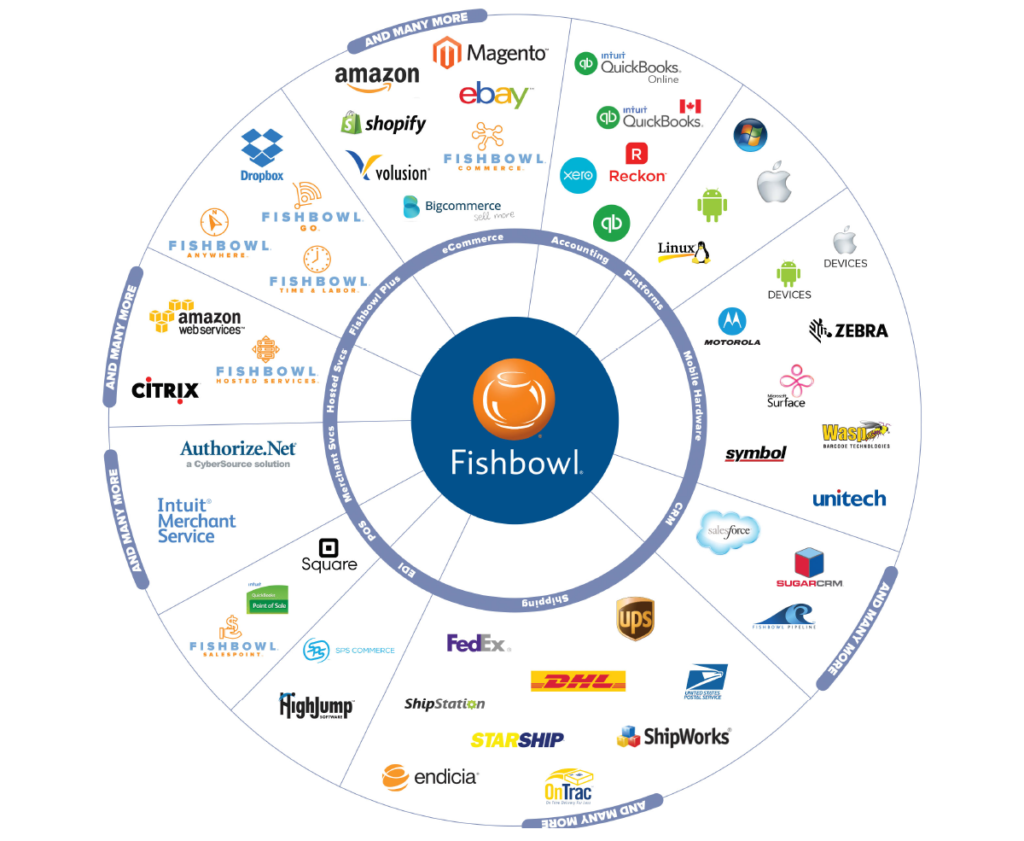
Fishbowl warehouse management – In today’s fast-paced business environment, efficient project management is crucial for success. From small startups to large corporations, projects often involve numerous moving parts, tasks, and deadlines. Without a robust system, keeping track of everything can quickly become overwhelming. This can lead to missed deadlines, increased costs, and ultimately, project failure. Project management software offers a structured and organized approach to managing these complex undertakings. It’s designed to centralize information, streamline communication, and provide a comprehensive view of the project lifecycle.
This comprehensive guide delves into the world of project management software, exploring its various facets, highlighting the benefits, and examining the top contenders in the market. We’ll unpack the core functionalities, discuss practical use cases, and provide a critical analysis of each software solution, helping you make an informed decision based on your specific needs. Ultimately, our aim is to empower you with the knowledge necessary to select the right project management software to propel your projects toward success.
Choosing the right project management software is a critical decision for any organization. The wrong choice can lead to wasted time and resources, while the right one can significantly boost productivity and improve team collaboration. This article will help you understand the various aspects of project management software, providing valuable insights into what to look for and how to evaluate different solutions.
Whether you’re a seasoned project manager or just starting out, navigating the landscape of project management software can feel daunting. However, with the right guidance, you can confidently select the platform that best aligns with your team’s needs and workflows. This in-depth review will equip you with the knowledge to make an informed decision and ensure a smooth transition to a more streamlined and efficient project management process.
This guide provides a balanced perspective, presenting a variety of tools with their strengths and weaknesses. We avoid promotional language and focus on delivering unbiased information, allowing you to make the best choice for your organization.
What is Project Management Software?
Project management software is a suite of tools designed to help teams manage projects from initiation to completion. It centralizes information, tasks, deadlines, and communication, facilitating collaboration and providing a holistic view of the project lifecycle. Think of it as a digital command center for your projects.
These platforms typically offer features like task assignment, progress tracking, communication tools, and reporting capabilities. They allow project managers to oversee the entire process, assign tasks to team members, track progress, and ensure projects stay on schedule and within budget.
Different types of project management software cater to various project needs. Some are geared towards agile methodologies, while others focus on more traditional approaches. The best choice often depends on the specific requirements of the project and the preferences of the team.
Beyond basic project management, many modern platforms integrate with other essential business tools like communication platforms, calendars, and even accounting software. This seamless integration is key to improving workflow and minimizing the need for context switching.
Benefits of Using Project Management Software
Implementing project management software yields numerous advantages. Improved communication is a key benefit, as it facilitates seamless information sharing and reduces the potential for misunderstandings. This, in turn, often leads to better team collaboration.
Fishbowl warehouse management systems are great for optimizing workflows, but truly maximizing efficiency requires engaged employees. To support this, consider exploring top-tier employee engagement software, like the options available at best employee engagement software. Ultimately, a happy and productive workforce is key to the success of any warehouse operation, which is where Fishbowl shines.
Moreover, project management software allows for precise tracking of project progress. This transparency ensures everyone on the team is aware of the current status and can adjust their efforts accordingly. This proactive approach often prevents potential delays and roadblocks.
Another significant benefit is the ability to streamline workflows. By centralizing tasks, deadlines, and communication, project management software reduces the need for manual processes and email chains. This results in greater efficiency and less wasted time.
The ability to generate detailed reports and gain insights into project performance is invaluable. These reports allow for informed decision-making and strategic adjustments throughout the project lifecycle. The data-driven approach helps optimize resource allocation and ensures the project remains on track.
7 Best Project Management Software Options
Choosing the right project management software can significantly impact your team’s efficiency and productivity. Considering the numerous options available, this section presents seven top-rated project management platforms.
Asana
Asana is a popular choice for its user-friendly interface and robust features. It’s best for teams who need a versatile platform to manage various tasks and projects. Its drag-and-drop functionality makes task organization intuitive and its seamless integration with other tools makes it a versatile choice.
Asana excels at task management and collaboration. Its flexibility allows for adapting to different project methodologies and workflows. The platform offers a wealth of integrations, connecting with tools such as Slack, Google Drive, and Dropbox. This seamless integration simplifies workflows and reduces context switching.
However, Asana’s extensive features might prove overwhelming for smaller teams. The platform’s pricing structure can be complex, so it’s crucial to assess your needs and budget before subscribing. It’s essential to weigh the potential cost against the comprehensive feature set.
Asana offers a free plan, but for teams requiring advanced features, upgrading to a paid tier is often necessary. Consider your team’s size and the depth of project management you require before committing to a paid plan.
Trello
Trello is a visual project management tool that excels in its simplicity and visual appeal. It’s ideal for teams seeking a visually engaging way to organize tasks and projects. Its kanban-style boards are intuitive and make it easy to visualize workflow progress.
Trello’s strengths lie in its ease of use and its visual approach to project management. The drag-and-drop functionality simplifies task management and allows teams to visualize progress easily. Its integration with other apps enhances its versatility.
While Trello is straightforward, it might not offer the same level of depth or advanced features as other platforms. For complex projects or teams requiring sophisticated reporting tools, Trello might not be the ideal solution. It’s important to consider whether your needs align with the platform’s visual-centric approach.
Jira
Jira is a popular choice for software development teams, known for its agile project management capabilities. Its extensive features and flexibility make it well-suited for intricate projects, especially in software development. Its extensive reporting capabilities help track progress and identify areas for improvement.
Jira’s strength lies in its flexibility and advanced features, making it ideal for agile development methodologies. Its detailed reporting and customizable workflows allow teams to tailor the platform to their specific needs. Jira integrates seamlessly with other Atlassian tools, enhancing its effectiveness.
However, Jira’s comprehensive features can be overwhelming for teams with simpler project needs. The steep learning curve might require dedicated training for optimal utilization. The cost structure is generally higher than simpler alternatives, so a careful evaluation is essential.
Monday.com
Monday.com is a versatile project management platform known for its customizable dashboards and robust features. It is well-suited for diverse teams and projects, providing a flexible and adaptable solution for different requirements.
Monday.com excels in its adaptability and customizability. Its diverse features allow teams to tailor the platform to specific project needs. Its extensive integrations with various applications enhance its usability and efficiency.
The platform’s adaptability might make it slightly more complex to learn initially. The vast array of features might overwhelm teams unfamiliar with the platform’s functionalities. It’s vital to assess whether the platform’s depth aligns with your team’s needs.
ClickUp
ClickUp is a versatile platform that combines task management, project management, and communication tools. Its customizable workflows and flexibility make it a suitable choice for diverse teams and project types.
ClickUp is a powerful tool with a broad range of features. Its versatility and customizable workflows cater to a wide range of project management needs. Its seamless integrations with other apps streamline workflows.
However, ClickUp’s extensive feature set can be overwhelming for less experienced users. The learning curve might be steep for some teams, requiring adequate training and onboarding. Its pricing structure can be complex, and a thorough comparison with alternatives is advisable.
Wrike
Wrike is a comprehensive project management platform, well-suited for complex projects. Its collaborative features and extensive reporting capabilities make it suitable for larger teams and projects.
Wrike excels in its collaborative features and reporting capabilities. Its robust reporting tools provide insights into project progress and performance. Its integrations with other apps streamline workflows and improve efficiency.
The platform’s comprehensive features can sometimes be overwhelming for smaller teams. The learning curve might be steeper compared to simpler alternatives. Its pricing structure may not be suitable for all budgets.
Microsoft Project, Fishbowl warehouse management
Microsoft Project is a popular choice for those already invested in the Microsoft ecosystem. Its integration with other Microsoft tools simplifies workflows for teams already familiar with the suite.
Its strength lies in its integration with other Microsoft tools. Its detailed features are well-suited for complex projects and detailed planning. The platform’s compatibility with other Microsoft applications is a significant advantage.
Microsoft Project might be overkill for simpler projects. Its cost can be a barrier for smaller teams. The learning curve can be steep for those unfamiliar with the platform.
How to Use / How to Buy Project Management Software: Fishbowl Warehouse Management
Evaluating project management software requires careful consideration of your team’s specific needs and workflows. Factors such as team size, project complexity, and preferred project methodologies should be prioritized.
Consider trial periods offered by many providers. These allow you to experience the software firsthand and assess its suitability for your team’s needs. Thorough testing of core features is essential to make an informed decision.
Integrations with existing tools are critical to seamless workflows. Consider the compatibility of the chosen software with your team’s current systems and applications.
Data migration strategies are important for a smooth transition. Understanding how data from previous systems will be transferred to the new platform is essential.
Look for vendors with strong customer support. Prompt and helpful support is crucial for navigating any issues during implementation and usage.
Future of Project Management Software
The project management software landscape is constantly evolving. Integration with artificial intelligence (AI) is becoming increasingly common, automating tasks and providing more predictive insights.
Mobile-first design is another trend gaining momentum. Project managers and team members can access project information and manage tasks effectively from any location.
Compliance and security features are also gaining prominence. Project management software is increasingly incorporating features to ensure data security and adherence to relevant regulations.
Conclusion
Project management software offers a range of tools to streamline workflows and enhance team collaboration. This guide has provided insights into various platforms, their features, and their strengths and weaknesses. Consider your team’s specific needs and project requirements when selecting the right software for your organization. Start with a trial period to experience the software firsthand and evaluate its suitability for your workflow.
FAQs
Q: What is the difference between agile and traditional project management methodologies?
A: Agile methodologies prioritize flexibility and adaptability, allowing for changes in requirements throughout the project lifecycle. Traditional methodologies, conversely, emphasize a more structured approach with defined steps and deliverables.
Q: What are some key factors to consider when choosing project management software?
A: Key factors include team size, project complexity, budget, desired features, integrations with existing tools, and the learning curve for your team.
Q: How can project management software improve communication within a team?
A: Project management software facilitates communication by providing a central platform for sharing updates, assigning tasks, and holding discussions, minimizing misunderstandings and fostering collaboration.
Q: What are the typical pricing models for project management software?
A: Pricing models vary significantly. Some platforms offer tiered pricing plans, while others may use a per-user or per-project structure. Check current pricing with the vendors.
Q: Is project management software necessary for all businesses?
A: While not always essential for very small projects, project management software can significantly improve efficiency and collaboration for teams working on more complex or larger projects.