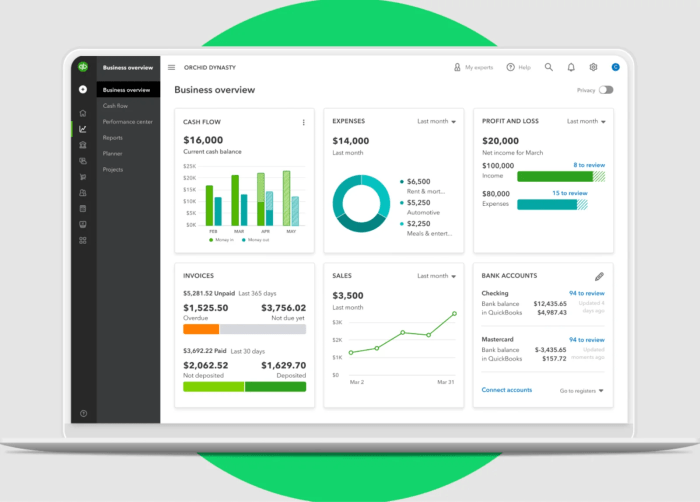
Corporate budgeting software – Project management software has become indispensable for teams across various industries. From small startups to large corporations, the ability to track progress, allocate resources, and communicate effectively is crucial for success. This comprehensive guide dives deep into the world of project management software, exploring its core functionalities, benefits, and the best tools available today.

Efficient project management hinges on the right tools. Choosing the right software can streamline workflows, improve collaboration, and ultimately, boost productivity. This guide empowers you to make informed decisions, regardless of your team size or industry. We’ll cover everything from understanding the basics of project management software to evaluating its potential impact on your business.

Imagine a world where projects run smoothly, deadlines are met consistently, and team members are seamlessly connected. Project management software makes this a reality. This guide delves into the different types of project management software, highlighting their unique strengths and weaknesses. We’ll also examine how various features impact project outcomes and discuss essential factors to consider when choosing the right solution for your needs.

Navigating the plethora of project management software options can be daunting. This resource is designed to simplify the process, equipping you with the knowledge and insights necessary to choose the optimal solution. We’ll examine a variety of tools, providing unbiased comparisons and real-world examples to help you decide which software best aligns with your team’s workflows and project requirements.

Ultimately, this guide aims to empower you to choose the right project management software for your organization. We’ll explore a range of top-tier tools, dissecting their capabilities and helping you make an informed decision based on your specific needs and budget. We’ll provide insights on how to integrate this software into your existing systems, maximize its benefits, and ultimately, enhance your team’s productivity and project success.

What is Project Management Software?: Corporate Budgeting Software

Project management software is a suite of tools designed to help teams manage projects from initiation to completion. Think of it as a centralized hub for all project-related information, communications, and tasks. These tools often include features for task assignment, progress tracking, resource allocation, communication, and reporting.

Essentially, it’s a digital platform that simplifies project management by providing a structured framework for organizing and executing projects. Different types of software cater to varying needs, offering specialized features for specific industries or project types.

From basic task management to complex resource allocation, project management software streamlines the entire project lifecycle. It facilitates better communication, improves collaboration, and ensures projects are delivered on time and within budget.

Modern project management software solutions often integrate with other business tools, like calendars, email, and communication platforms, creating a unified workspace for teams.

Benefits of Using Project Management Software

The benefits of employing project management software are multifaceted and impactful. Improved communication is paramount, fostering better collaboration among team members. Real-time updates and shared dashboards ensure everyone is on the same page, reducing misunderstandings and preventing costly delays.

Moreover, project management software facilitates accurate resource allocation. By clearly identifying and assigning tasks, teams can optimize their use of time and resources, resulting in enhanced efficiency and productivity. This meticulous approach leads to projects being completed on time and within budget.

Effective project management software also enables comprehensive progress tracking. Visual representations of project milestones and task completion rates provide valuable insights into project health. This visibility allows for proactive adjustments and timely interventions when needed, ultimately minimizing risks and maximizing project success.

Beyond improved communication and resource management, project management software enhances decision-making by providing comprehensive data analysis. Teams can access project performance data to identify trends and make data-driven decisions, ultimately steering projects toward desired outcomes.

Corporate budgeting software

7 Best Project Management Software Tools

Choosing the right project management software depends heavily on your team’s specific needs and the complexity of your projects. Here are seven top contenders, each with its own strengths and weaknesses.

Asana

Asana is a versatile project management tool, popular for its user-friendly interface and flexible approach to task management. Ideal for teams of all sizes, Asana’s strength lies in its adaptability to various project methodologies, from Agile to Waterfall. It supports a wide range of integrations, enhancing collaboration across different platforms.

Asana excels in task assignment, progress tracking, and communication. Its straightforward design makes it accessible to beginners, while advanced features cater to more complex project requirements. Integrations with other tools are generally well-received, simplifying workflows.

However, Asana might lack the in-depth reporting capabilities of some competitors. While the user-friendly interface is a plus, it might not offer the same level of customization for highly specialized workflows. Also, check current pricing to ensure it aligns with your budget.

Asana’s onboarding process is straightforward, and the support resources are generally considered comprehensive. It’s a solid choice for teams looking for a user-friendly, flexible project management solution.

Corporate budgeting software is crucial for tracking expenses and projecting revenue. A key aspect of this is understanding inventory management, which is often overlooked. This is especially important in the food service industry, where efficient inventory control directly impacts profitability. For instance, restaurant owners should explore solutions like best restaurant inventory management software to optimize their stock levels and reduce waste.

Ultimately, a robust corporate budgeting software package needs to incorporate these types of practical tools to give a complete picture of a business’s financial health.

Trello

Trello offers a visual approach to project management, using a kanban-style board. Its intuitive interface makes it ideal for teams who prefer a visual representation of workflow and progress. Teams appreciate the simplicity and flexibility it offers.

Trello is excellent for visualizing tasks and workflows, promoting collaboration through shared boards and lists. Its user-friendly interface and intuitive design make it an accessible option for both beginners and experienced project managers. Its integration options are reasonably robust.

A drawback is that Trello might lack the depth of features found in some more comprehensive tools. While the visual approach is highly effective for some teams, it might not be ideal for complex projects with intricate dependencies. Check current pricing to see if it fits your budget.

How to Use/How to Buy Project Management Software

Choosing the right project management software requires careful evaluation. Start by identifying your team’s specific needs and the complexities of your projects. Consider the features required for task management, communication, reporting, and resource allocation. Assess the software’s integration capabilities with existing tools.

Request demos and trials to gain hands-on experience with the software. Evaluate its user interface and ease of use, focusing on whether it aligns with your team’s workflow preferences. Evaluate the software’s scalability to accommodate potential future growth. Thoroughly review pricing plans and choose a plan that aligns with your budget.

Future of Project Management Software

The future of project management software is likely to be increasingly intertwined with AI-powered automation. Expect to see more tools integrating AI for tasks like automated task assignment, progress prediction, and risk assessment. Enhanced mobile capabilities will further streamline project management, empowering teams to work effectively on the go.

Expect to see a rise in specialized software tailored for specific industries and project types. Furthermore, increased focus on security and compliance features will be crucial for safeguarding sensitive data. Payment integrations and enhanced collaboration tools will also likely play a vital role in future project management software.

Conclusion, Corporate budgeting software

Project management software is a powerful tool for teams seeking to enhance productivity, streamline workflows, and improve communication. Choosing the right software involves carefully evaluating your needs, considering the benefits and limitations of various tools, and prioritizing factors like user-friendliness, scalability, and cost-effectiveness.

By implementing the right project management software, teams can effectively manage projects, meet deadlines, and achieve desired outcomes. Explore the various options, compare their features, and select the one that best aligns with your team’s specific requirements. Start your journey to enhanced project success today.

FAQs

Q: What are some alternatives to Asana?

A: Alternatives to Asana include Trello, Monday.com, and Jira. The best alternative depends on your team’s specific needs and project complexity.

Q: How do I integrate project management software with my existing tools?

A: Most project management software offers APIs and integrations with other popular business tools. Check the software’s documentation for specific instructions on how to integrate with your existing systems.

Q: What are the key KPIs to track in project management software?

A: Key performance indicators (KPIs) for project management software include task completion rates, project timelines, resource utilization, and budget adherence. Tracking these KPIs allows for informed decision-making and effective project management.

Q: How much does project management software cost?

A: Project management software pricing varies significantly depending on the features, the number of users, and the chosen plan. Check current pricing with the vendor directly to determine the best option for your budget.


Invoice payment platform – In today’s fast-paced business environment, efficient project management is crucial for success. Effective project management software empowers teams to collaborate seamlessly, track progress, and ensure projects stay on schedule and within budget. This comprehensive guide delves into the world of project management software, exploring its functionalities, benefits, and various options available to businesses of all sizes.

Choosing the right project management software can significantly impact a team’s productivity and overall project outcomes. This guide will equip you with the knowledge to evaluate different platforms, identify key features, and select the ideal software for your specific needs. Whether you’re a seasoned project manager or just starting out, this resource will provide valuable insights.

Invoice payment platform

The landscape of project management software is constantly evolving, with new features and functionalities emerging regularly. Understanding the current trends and advancements in this field is vital for making informed decisions. This guide will cover the latest advancements in project management software and how they are impacting modern workflows.

This guide will present a variety of project management software options, providing detailed insights into their capabilities, pros, and cons. We’ll consider factors like ease of use, scalability, integrations, and customer support to help you choose the right tool. By the end of this guide, you’ll have a solid foundation for selecting the best project management software for your team and projects.

Beyond the technical aspects, we’ll also touch on the human element of project management. Effective project management software not only streamlines processes but also fosters better communication and collaboration among team members. This guide emphasizes the importance of selecting software that aligns with your team’s workflow and communication style.

What is Project Management Software?

Project management software is a digital platform designed to help teams plan, execute, and track projects. It provides tools for managing tasks, deadlines, resources, and communication within a project. Think of it as a central hub for all project-related activities, streamlining collaboration and enhancing efficiency.

Essentially, this software acts as a central repository for project information, enabling team members to access relevant documents, share updates, and communicate effectively. It can also be used to manage budgets, track progress against milestones, and identify potential roadblocks.

Different project management software solutions cater to various project needs and team sizes. Some focus on task management, while others excel at resource allocation or communication. The ideal choice depends heavily on your team’s specific workflow and the nature of the projects you undertake.

From simple task lists to complex project planning tools, project management software empowers teams to stay organized, track progress, and deliver projects on time and within budget. It’s a valuable tool for enhancing collaboration, communication, and ultimately, project success.

Benefits of Using Project Management Software: Invoice Payment Platform

Project management software offers numerous benefits, from improved collaboration to enhanced productivity. One significant advantage is the centralized platform it provides for managing project information, tasks, and communication. This centralized approach reduces the risk of miscommunication and ensures that everyone is on the same page.

Moreover, the software facilitates better task management and assignment, enabling teams to efficiently distribute work and track progress effectively. This feature, coupled with the automated reminders and notifications, ensures timely completion of tasks and avoids delays.

Furthermore, project management software enables improved resource management. Teams can effectively track the allocation of resources like time, budget, and personnel, leading to more efficient project execution. This is particularly valuable in complex projects involving numerous stakeholders and resources.

Real-world examples of successful project implementations using project management software abound. Many organizations have reported increased efficiency, reduced project costs, and improved team collaboration through the use of this technology. These positive outcomes underscore the critical role project management software plays in modern project execution.

7 Best Project Management Software Options

Choosing the right project management software requires careful consideration of your specific needs. Factors like team size, project complexity, and budget play crucial roles in the selection process. Fortunately, a range of options caters to diverse requirements.

To help you navigate the market, this guide presents seven leading project management software options, each with unique strengths and weaknesses. We’ll delve into the capabilities, benefits, and limitations of each, empowering you to make an informed decision.

Asana, Invoice payment platform

Asana is a versatile project management tool known for its user-friendly interface and flexibility. Ideal for teams of all sizes, it excels in task management, collaboration, and project tracking. Asana seamlessly integrates with a variety of other applications, enhancing its overall value proposition.

Key features include task assignment, due dates, and progress tracking. Asana also supports collaborative workspaces and document sharing, facilitating communication and information exchange among team members. It’s particularly well-suited for project teams needing a robust platform for managing multiple tasks and projects simultaneously.

Asana’s strength lies in its simplicity and user-friendliness, making it easy for teams to adopt and utilize. However, its advanced features might not be as comprehensive as specialized project management solutions for very complex projects. Check current pricing for specific plans.

The onboarding process is straightforward, and Asana offers excellent customer support to address any issues that may arise. Consider Asana if you’re seeking a versatile, user-friendly tool for managing tasks and projects across different teams.

Trello

Trello is a visual project management tool that leverages a Kanban-style board for organizing tasks and projects. Its visual approach makes it exceptionally intuitive and easy to understand, making it ideal for teams accustomed to visual workflows. Trello is very popular for its straightforward and engaging visual interface.

Invoice payment platforms are crucial for streamlined business operations. They help manage and track payments efficiently, freeing up time for other tasks. Finding the right platform can be challenging, but exploring free payroll apps for small business, like those available at this link , might actually help you choose a platform that integrates well with your accounting system, ultimately leading to smoother invoice payment processes.

Key features include customizable boards, lists, and cards. Trello enables clear visualization of project progress, task dependencies, and workflow stages. It also supports collaboration through comments, attachments, and mentions. Its ease of use makes it a popular choice for small to medium-sized teams.

Trello’s strength lies in its simplicity and visual appeal. However, it may lack the robust reporting and advanced features found in more comprehensive project management software solutions. Check current pricing for specific plans.

The intuitive interface and minimal learning curve make Trello a good option for teams seeking a simple yet effective project management tool. It’s also great for teams who prefer a visual approach to project management.

How to Use / How to Buy Project Management Software

Evaluating project management software involves assessing various factors, including scalability, ease of use, and specific features. Consider your team’s size, project complexity, and budget when making your decision. Start by defining your project management needs, identifying essential features, and researching potential software options.

Trial periods are often available for many project management software solutions, allowing you to test the software and ensure it meets your team’s specific needs before committing to a purchase. Leverage free trials and demos to evaluate the software’s functionality and user interface.

Integration with existing tools and platforms is crucial for seamless workflows. Check for integrations with your team’s current tools to avoid potential compatibility issues.

The setup process for most project management software is relatively straightforward. Follow the vendor’s instructions and utilize available resources like tutorials and FAQs to navigate the initial setup phase.

Future of Project Management Software

The future of project management software is likely to be increasingly intertwined with artificial intelligence (AI) and automation. AI-powered tools can automate repetitive tasks, predict potential risks, and optimize project timelines, making projects more efficient.

Moreover, mobile-first approaches will become more prevalent, allowing teams to access and manage projects from anywhere with an internet connection. This enhanced accessibility fosters flexibility and improves project responsiveness.

Integration with other business applications will likely become even more seamless. Look for platforms that can seamlessly integrate with accounting software, CRM systems, and other tools, fostering a unified workflow.

Conclusion

Project management software is an invaluable tool for modern teams seeking to streamline projects, improve collaboration, and boost productivity. This guide has provided a comprehensive overview of project management software, covering its functionalities, benefits, and available options. By carefully evaluating your needs and exploring the various software solutions, you can select the best tool to drive project success.

Ultimately, choosing the right project management software empowers teams to work more efficiently and achieve their project goals. This guide has equipped you with the necessary knowledge to make an informed decision, maximizing your team’s potential for project success.

Ready to streamline your projects? Explore the options discussed in this guide and choose the project management software that best fits your team’s needs.

FAQs

Q: What is the best project management software for small teams?
A: Tools like Asana and Trello offer user-friendly interfaces and are suitable for smaller teams. Check current pricing for specific plans.

Q: How can I integrate project management software with my existing tools?
A: Many project management tools offer integrations with other business applications. Check the vendor’s documentation for compatibility information.

Q: What are the key features to look for in project management software?
A: Essential features include task management, communication tools, reporting capabilities, and integrations with other business applications.

Q: What is the typical cost of project management software?
A: Pricing varies significantly depending on the features, functionalities, and the vendor. Check current pricing for specific plans.

Q: How do I choose the right project management software for my business?
A: Carefully evaluate your needs, research different options, and consider factors like team size, project complexity, and budget. A trial period is often beneficial for testing software functionality.

Construction project management software for small business – In today’s fast-paced business environment, effective project management is crucial for success. From intricate software development projects to marketing campaigns, organizations need tools to keep track of tasks, deadlines, and resources. Project management software provides a centralized platform to manage all aspects of a project, enabling teams to collaborate seamlessly and achieve their goals efficiently.

The sheer volume of tasks and stakeholders involved in modern projects often makes manual management cumbersome and prone to errors. This is where project management software steps in, automating many repetitive processes and improving overall visibility. By streamlining workflows and communication, project management software empowers teams to focus on the core aspects of their work.

Choosing the right project management software can be a daunting task, especially with so many options available. This comprehensive guide will explore the benefits of using project management software, introduce some of the top contenders in the market, and provide insights into how to select the best solution for your specific needs.

Whether you’re a small startup or a large corporation, project management software can significantly improve your team’s productivity and efficiency. By providing a shared platform for collaboration and task management, these tools empower teams to work together effectively, regardless of their physical location.

This exploration delves into the world of project management software, dissecting its advantages and examining some of the top tools currently available. We’ll look at how these platforms can boost productivity and collaboration, enabling teams to tackle complex projects with confidence.

What is Project Management Software?

Project management software, in its simplest form, is a digital platform designed to plan, track, and manage projects. It provides a centralized repository for project documents, task assignments, deadlines, and communication, helping teams stay organized and on schedule.

These tools typically include features for task management, time tracking, resource allocation, communication, and reporting. They enable teams to collaborate effectively, regardless of their physical location, fostering seamless communication and information sharing.

Think of it as a digital project hub. It’s a single source of truth for all project-related information, allowing stakeholders to access updates, track progress, and contribute effectively. The goal is to optimize project workflows and improve overall project outcomes.

Benefits of Using Project Management Software: Construction Project Management Software For Small Business

The advantages of utilizing project management software are multifaceted and substantial. Improved communication is paramount, as these platforms facilitate clear and concise communication channels between team members and stakeholders.

Moreover, these tools enhance accountability and transparency. Clear task assignments, deadlines, and progress updates create a shared understanding of responsibilities, ensuring everyone is aware of their role in the project’s success.

Time management is another crucial benefit. Built-in features for time tracking and task scheduling help teams manage their time more effectively, preventing delays and ensuring projects stay on schedule. This is particularly useful in larger, more complex projects.

Furthermore, project management software often offers robust reporting features. These reports provide valuable insights into project progress, resource utilization, and potential roadblocks. This data-driven approach allows for proactive adjustments and informed decision-making throughout the project lifecycle.

7 Best Project Management Software Options

Choosing the right project management software depends heavily on the specific needs of your team and project. Many excellent options are available, each with its strengths and weaknesses. Consider factors like budget, project size, team size, and preferred collaboration style when making your decision.

Asana

Asana is a popular choice, particularly for its straightforward task management features. It’s ideal for teams who need a simple, yet powerful, platform to organize tasks and workflows. Asana’s flexibility is also a key selling point, adapting to various project needs.

Construction project management software for small business

Its intuitive interface and extensive integrations make it a go-to for many. Integration with other productivity apps like Slack and Google Drive is commonplace, streamlining workflows. Asana works well for agile teams and projects needing quick setup.

Construction project management software for small businesses can be a real game-changer. Managing multiple projects and finances efficiently is crucial, and tools like QuickBooks multiple companies can help streamline accounting across different jobsites. Ultimately, the right software simplifies project tracking and ensures smooth operations for a small construction firm.

While Asana excels in task management, some users might find its reporting features less comprehensive than those of other tools. Asana’s pricing structure might also be a consideration, as it can be more expensive for larger teams. Additionally, some might prefer more visual tools for visualizing project progress.

Trello

Trello, a visually-oriented platform, excels at visualizing project progress. Its drag-and-drop functionality makes it a favorite for teams who appreciate a visual approach to project management. The flexibility of using cards and lists allows for a customizable workflow.

Trello’s simplicity is a major strength, making it user-friendly for diverse teams. Its straightforward interface makes onboarding a breeze, and many find it highly intuitive. Excellent integrations with other productivity tools are also a benefit.

However, Trello might lack some of the advanced features found in more comprehensive platforms. Its reporting capabilities could be improved, especially for large and complex projects. Advanced features like resource allocation may be limited, so it’s crucial to evaluate whether these are essential for your workflow.

Monday.com

Monday.com is a highly customizable platform. Its flexibility allows teams to tailor the platform to their specific needs, whether for simple task management or complex project workflows. This adaptability is particularly valuable for organizations with unique project structures.

Monday.com is known for its robust customization options and extensive integrations. Its ability to create custom workflows and dashboards makes it well-suited for teams with specific project requirements. It offers a range of views, from Kanban boards to Gantt charts.

However, the extensive customization options might pose a learning curve for some teams. The setup process could take more time compared to simpler platforms, and the pricing might be a concern for smaller organizations. Check current pricing for different plans.

<!– … (Repeat the

…, Construction project management software for small business

+

blocks for the remaining 4 project management software options) –>

Jira

Jira is a popular choice for software development teams, offering advanced features for agile methodologies. Its flexibility in adapting to agile frameworks is a key strength.

Jira’s strength lies in its powerful issue tracking and agile project management features. It’s a great fit for teams working on complex software projects, especially those utilizing agile methodologies.

However, Jira’s steep learning curve can be a barrier for teams new to agile methodologies or project management software in general. It might be overkill for simpler projects or teams that aren’t deeply involved in agile development.

ClickUp

ClickUp is a highly versatile platform known for its comprehensive features. It caters to a broad range of project management needs, from simple tasks to complex workflows.

Its versatility is a standout feature, allowing teams to tailor the platform to their specific workflows. It provides a wide range of views, from Kanban boards to Gantt charts, enabling teams to visualize their projects effectively.

ClickUp’s extensive feature set can be overwhelming for some users, especially those new to project management software. Its pricing structure might also be a factor for smaller teams, but check current pricing to determine the cost-effectiveness.

<!– … (Repeat the

…, Construction project management software for small business

+

blocks for the remaining 2 project management software options) –>

How to Use / How to Buy Project Management Software

Choosing the right project management software involves careful consideration of your team’s needs and project requirements. Evaluate the features offered by each platform and consider the level of customization required. Don’t hesitate to try free trials or request demos to get a hands-on feel for the software.

Understanding your team’s workflow is crucial. Consider how the chosen platform integrates with existing tools and workflows. Ensure the platform aligns with your team’s preferred communication style and project management methodologies.

Consider factors such as project size, team size, and budget. Evaluate the platform’s reporting features, as well as its ability to integrate with other essential tools. Don’t forget to factor in onboarding and training costs.

Future of Project Management Software

The future of project management software is intertwined with the rise of AI and automation. Expect to see more AI-powered tools that can automate tasks, predict potential issues, and optimize workflows.

Increased integration with other business applications will also be a key trend. Expect seamless integration with CRM, accounting, and other vital business tools.

Furthermore, mobile-first project management software will gain significant traction. As remote work becomes more prevalent, mobile accessibility will become increasingly important.

Conclusion

Project management software has become an indispensable tool for modern organizations. It empowers teams to collaborate effectively, manage projects efficiently, and achieve their goals. By carefully evaluating your needs and choosing the right platform, you can unlock significant improvements in team productivity and project outcomes.

Consider the options presented, their strengths and weaknesses, and determine which aligns best with your project’s requirements. Remember to prioritize ease of use, scalability, and the ability to integrate with existing systems. A well-chosen platform can transform how your team approaches projects.

FAQs

Q: What are the most important factors to consider when choosing project management software?
A: Key factors include your team’s workflow, the project’s complexity, the size of your team, budget constraints, and integration with existing tools. Consider free trials and demos to gain hands-on experience.

Q: Can project management software help improve team communication?
A: Absolutely. Project management software often provides dedicated communication channels, shared document repositories, and task assignment features that enhance communication and collaboration.

Q: How do I choose the right project management software for my business?
A: Begin by evaluating your team’s workflow and project needs. Consider features like task management, time tracking, and reporting capabilities. Look for platforms that seamlessly integrate with your existing systems and are scalable to accommodate future growth.

Q: What are the typical pricing models for project management software?
A: Pricing models vary. Some offer tiered pricing plans based on team size or features. Check current pricing with the vendor for specific details.

Q: Are there any project management software alternatives to consider?
A: Yes, several excellent alternatives exist, each with its own strengths and weaknesses. Explore options like Asana, Trello, Monday.com, and Jira to see which aligns with your team’s needs.

Best restaurant inventory management software – Project management software has become an indispensable tool for teams of all sizes, streamlining workflows, improving communication, and boosting overall productivity. Whether you’re overseeing a small team or a large enterprise project, the right software can significantly impact your success. In this comprehensive guide, we’ll explore the world of project management software, examining its benefits, top contenders, and the future landscape of this vital sector.

Choosing the right project management software can be overwhelming. With so many options available, understanding the key features, benefits, and limitations is crucial. This guide will help you navigate the choices and make informed decisions to optimize your team’s projects.

Best restaurant inventory management software

This article will not only explain the core concepts but also provide insights into selecting the best project management software for your needs. We’ll analyze several popular platforms, highlighting their strengths and weaknesses, allowing you to compare and contrast them effectively. Moreover, we’ll discuss how to effectively evaluate and implement project management software in your organization, from setup to ongoing maintenance.

Beyond the practical aspects, we’ll also explore the evolving landscape of project management software. The introduction of AI and automation is reshaping how projects are managed, and this article will delve into those trends, anticipating the future of this crucial tool. Understanding these trends is essential for adapting to the ever-changing demands of the modern business world.

From the basics of project management software to the cutting-edge features, this guide will be your comprehensive resource. We’ll also address frequently asked questions, providing clear and concise answers to help you make the best possible choice for your team.

What is Project Management Software?

Project management software is a suite of tools designed to help teams plan, execute, track, and manage projects effectively. It provides a centralized platform for managing tasks, resources, timelines, and budgets, fostering collaboration and transparency throughout the project lifecycle. Think of it as a digital workspace that brings all the moving parts of a project together in one place. This often includes features like task assignment, progress tracking, communication tools, and reporting capabilities.

Essentially, it acts as a digital roadmap for projects, helping teams stay on track, communicate effectively, and make informed decisions along the way. It eliminates the need for disparate spreadsheets and communication channels, fostering a more organized and efficient approach to project management.

These platforms are not just for large corporations; small businesses and independent contractors can benefit from the structure and efficiency project management software offers. By automating tasks and streamlining workflows, these tools can help teams focus on the strategic aspects of projects instead of getting bogged down in administrative details.

Benefits of Using Project Management Software

The benefits of employing project management software are numerous. Firstly, it dramatically enhances team collaboration by providing a central hub for communication and information sharing. This reduces the risk of miscommunication and delays, allowing teams to work more efficiently. Consider a team working on a marketing campaign; project management software enables all stakeholders to access the same information, reducing errors and misunderstandings.

Furthermore, project management software significantly improves project visibility and control. Teams can track progress, identify potential bottlenecks, and proactively address challenges. This transparency fosters accountability and allows for more timely interventions. Visual dashboards provide an at-a-glance view of the project’s status, enabling real-time monitoring and quick responses to issues.

Moreover, these tools help optimize resource allocation, allowing teams to leverage resources effectively and avoid over-allocation. It ensures that the right people have the right resources at the right time, preventing delays and maximizing efficiency. A project manager can easily see who’s working on what, enabling effective resource allocation to prevent bottlenecks.

Finally, project management software often facilitates reporting and analysis, enabling teams to measure project performance and identify areas for improvement. By providing data-driven insights, these tools help teams understand what works and what doesn’t, allowing for iterative improvements in future projects. The ability to generate reports on project progress, budget, and resource utilization is invaluable for decision-making and future planning.

7 Best Project Management Software Solutions

Choosing the best project management software is a critical decision for any team. Several excellent platforms cater to various needs and preferences, from simple task management to complex enterprise-level solutions. To make an informed decision, understanding the nuances of each platform is essential.

Asana, Best restaurant inventory management software

Asana is a popular choice for its user-friendly interface and versatile features. It’s excellent for teams that need a straightforward platform for task management and project organization. Asana is especially well-suited for teams that need a simple, intuitive tool to keep track of tasks and deadlines. The drag-and-drop interface makes it easy to visualize workflows and manage progress.

Its core capabilities include task assignment, progress tracking, and collaboration features. It integrates seamlessly with other popular business applications, providing a comprehensive workspace. Asana’s flexibility allows it to adapt to various project methodologies, making it a valuable tool for diverse teams.

Asana’s strength lies in its simplicity and ease of use. Its straightforward interface allows users to quickly grasp the platform’s functionality. However, it might lack the advanced features of more specialized project management tools for very complex projects.

Trello

Trello is another widely used platform known for its visual Kanban boards. This visual approach is highly effective for teams that prefer a visual representation of project progress. Trello is particularly suited for teams working on projects with defined stages and workflows, allowing them to see the project’s status at a glance. It’s ideal for teams that need a simple, intuitive platform for visual task management.

Key features include task management, collaboration, and reporting capabilities. Trello integrates well with other applications, providing a comprehensive workspace for team collaboration. Its ability to represent tasks visually can enhance team understanding and engagement.

Trello excels in its visual representation of workflows. Its flexibility and visual appeal make it easy to understand and use. However, it might not be as robust as some other platforms for managing complex projects or large teams.

Jira

Jira is a robust platform primarily designed for software development teams. It’s renowned for its agile project management features, supporting scrum and kanban methodologies. Jira’s capabilities are particularly useful for teams working on software development or IT projects requiring detailed task management and issue tracking. Jira is best for teams needing advanced task management, bug tracking, and agile project management tools.

Jira offers comprehensive features for managing tasks, bugs, and issues. It supports integrations with other development tools, creating a unified platform for the entire software development lifecycle. Its advanced features make it well-suited for complex projects with intricate workflows.

While powerful, Jira can be complex for teams unfamiliar with agile methodologies. The learning curve can be steeper compared to simpler platforms. The cost can also be a factor for smaller teams or those with limited budgets.

<!– Repeat the

+

blocks for the remaining 4 project management software solutions –>

How to Use/How to Buy Project Management Software

Evaluating project management software involves considering your team’s specific needs and workflows. Start by identifying the key features and functionalities required for your projects. Consider the level of complexity of your projects, the number of team members, and the preferred collaboration methods. Consider the software’s scalability to accommodate potential growth.

Next, research different platforms and compare their features and pricing. Check current pricing for each platform to determine the best fit for your budget. Free trials are often available to test the software before committing to a purchase. Don’t hesitate to read reviews from other users to gain valuable insights into the software’s usability and support.

Once you’ve chosen a platform, ensure a smooth setup and integration with existing systems. Training your team is essential for maximizing the software’s effectiveness. Develop clear guidelines and procedures to ensure consistent use and adherence to workflows. Proper onboarding and training will be key to successful implementation.

Future of Project Management Software: Best Restaurant Inventory Management Software

The future of project management software is promising, with significant advancements expected in the next few years. AI-powered tools are likely to play an increasingly crucial role in automating tasks, optimizing workflows, and providing predictive insights. Mobile-first solutions will become more prevalent, enabling teams to work from anywhere. Integration with other business applications will become even more seamless, creating a unified ecosystem for managing projects.

Furthermore, advancements in compliance and payment processing will enhance security and streamline financial management within project management software. These advancements will significantly impact project management, making it more efficient, secure, and adaptable to the ever-changing needs of businesses.

Conclusion

Project management software is a valuable tool for teams of all sizes, enhancing collaboration, optimizing workflows, and boosting project success. Understanding the various platforms available and their specific features is crucial for making an informed decision. This guide has provided a comprehensive overview, enabling you to choose the best project management software to meet your unique needs. Consider checking current pricing and evaluating the software’s capabilities before making a commitment.

FAQs

Q: What are the key features to look for in project management software?
A: Key features include task management, communication tools, progress tracking, reporting capabilities, and integration with other applications. Consider your specific needs and choose software that best fits your workflow.

Top-notch restaurant inventory management software is crucial for efficiency. Streamlining your processes, however, also requires looking at your payroll system. Finding affordable payroll software, like cheap payroll software , can significantly reduce overhead. Ultimately, a well-managed inventory system is vital for a successful restaurant, and a great payroll system will complement that.

Q: How can I choose the best project management software for my team?
A: Research different platforms, compare features, check current pricing, and consider your team’s specific needs. Free trials and user reviews can be invaluable resources in your decision-making process.

Q: Is project management software suitable for small businesses?
A: Absolutely! Project management software can streamline workflows and enhance collaboration for small businesses, optimizing efficiency and productivity.

Quickbooks multiple companies – Project management software has become indispensable for businesses of all sizes, streamlining workflows and boosting efficiency. From simple to-do lists to complex enterprise-level projects, these tools offer a structured approach to planning, tracking, and executing tasks. Understanding the nuances of these solutions is crucial for any organization seeking to optimize their projects and achieve desired outcomes. Today, we’ll explore the world of project management software, examining its key benefits, the top contenders in the market, and how to choose the right tool for your specific needs.

Choosing the right project management software is a crucial decision for any business, impacting team collaboration, task assignment, and overall project success. Different project management software caters to different needs, from solo freelancers to large corporations. In this guide, we’ll delve into the various facets of project management software, highlighting its advantages and exploring some of the leading tools available.

Modern project management software is more than just a to-do list. These platforms offer a comprehensive suite of features, including task management, communication tools, reporting dashboards, and collaboration tools. It’s about centralizing information, fostering communication, and tracking progress—essential elements for project success in today’s dynamic business environment.

Navigating the landscape of project management software can feel overwhelming. With numerous options available, choosing the right solution can be a significant undertaking. We’ll provide insights into factors to consider, such as budget, team size, and project complexity, to help you make an informed decision. This guide will equip you with the knowledge to select the ideal project management software for your team’s needs.

Ultimately, the goal is to optimize your team’s productivity and ensure projects are completed on time and within budget. Selecting the right software is key to this optimization. By understanding the features, benefits, and drawbacks of different solutions, you can make an informed decision that aligns with your team’s workflows and project requirements.

Managing multiple companies in QuickBooks can be a bit complex, but thankfully, there are other options for handling payroll. Consider exploring free payroll apps for small business, like those available at this resource , which can streamline the process significantly. Ultimately, choosing the right solution for your multiple company QuickBooks setup depends on your specific needs.

What is Project Management Software?: Quickbooks Multiple Companies

Project management software provides a centralized platform for managing projects, tasks, and resources. Think of it as a digital workspace where teams can collaborate, track progress, and communicate effectively. These tools often integrate various features, such as task assignment, communication channels, reporting dashboards, and collaboration tools, all aimed at streamlining project execution.

These software solutions cater to a wide range of project needs, from simple to-do lists for individual freelancers to complex enterprise-level projects involving multiple teams and stakeholders. Their functionality often includes features like time tracking, budgeting, risk management, and communication tools to ensure project success.

Essentially, project management software is a digital system that simplifies the project lifecycle, from initiation and planning to execution and closure. It streamlines communication, improves task management, and ultimately enhances the overall project outcomes.

Benefits of Using Project Management Software

Project management software offers a multitude of benefits, including enhanced communication, improved task management, and increased visibility into project progress. This, in turn, leads to greater efficiency and better control over project timelines and budgets.

One key advantage is the ability to centralize information. All project-related documents, communication, and tasks reside in one place, making it easier for team members to access the information they need. This centralized approach also reduces the risk of crucial information getting lost or misplaced.

Furthermore, project management software typically provides robust reporting features, allowing project managers to track progress, identify potential bottlenecks, and make data-driven decisions. This visibility into project performance allows for proactive adjustments and helps to ensure projects stay on track.

Another significant benefit is the improved collaboration capabilities. These platforms facilitate communication and interaction between team members, fostering a more cohesive and productive work environment. Real-time updates and shared access to information ensure everyone is on the same page, reducing misunderstandings and improving overall efficiency.

7 Best Project Management Software Tools

Choosing the right project management software depends heavily on your specific needs and team size. Factors like budget, features required, and integration capabilities play a crucial role in making the right choice. Let’s delve into some top-tier options to help you find the perfect fit.

Asana

Asana is a versatile project management tool known for its user-friendly interface and adaptability. It’s a great option for teams of all sizes, offering robust features for task management, project tracking, and collaboration. Best for teams needing a flexible and customizable platform.

Asana’s strength lies in its simple task management system, allowing users to create and assign tasks, set deadlines, and track progress. Its integration with other tools, such as Google Drive and Slack, further enhances its functionality. Typical use cases include task management, project planning, and workflow optimization.

While Asana is a powerful tool, its complexity can sometimes be overwhelming for smaller teams. It might require a steeper learning curve compared to simpler alternatives, though its robust features make it ideal for complex projects. If you’re looking for a beginner-friendly platform, there are other solutions available.

Trello

Trello, known for its visual approach to project management, utilizes boards, lists, and cards to organize tasks. Its drag-and-drop interface makes it highly intuitive and easy to use, making it a popular choice for visual learners. Ideal for teams seeking a highly visual and interactive platform.

Trello excels at visualizing workflows and facilitating collaboration through its kanban-style approach. Its simplicity and visual appeal make it an excellent choice for teams focused on streamlining processes and keeping track of tasks. Common uses include agile project management, task assignment, and progress tracking.

One potential limitation of Trello is its limited reporting features. While it offers basic reporting, more comprehensive analytics might be needed for larger, more complex projects. Additionally, its flexibility can sometimes translate to a lack of structure for teams accustomed to more rigid workflows.

Jira

Jira is a robust project management tool, often favored by software development teams. It excels in issue tracking, agile project management, and task management, providing detailed tracking and collaboration features. Best suited for development teams and projects with complex requirements.

Jira is renowned for its agile project management capabilities. Its flexible workflow options and detailed task tracking make it well-suited for software development and other complex projects. It’s also known for its robust issue tracking system and integrations with other development tools.

Jira can be a complex tool, requiring more time to learn and master compared to simpler alternatives. Its extensive features can overwhelm less technical teams, potentially requiring dedicated training for optimal usage. Check current pricing for different plans.

Monday.com

ClickUp

Wrike, Quickbooks multiple companies

Microsoft Project

Adobe Workfront

How to Use/How to Buy Project Management Software

Choosing the right project management software involves careful consideration of your project’s unique needs. Start by identifying the essential features you require, considering factors like team size, project complexity, and budget. Thoroughly evaluate different software options, looking at user reviews, free trials, and demos to gain hands-on experience.

Consider the ease of use for your team members, ensuring the platform is intuitive and easy to navigate. Explore the software’s integration capabilities to determine how well it aligns with your existing tools. A smooth integration process can significantly improve efficiency and productivity.

Evaluate the pricing plans offered by different vendors, carefully considering the features included in each tier. A cost-benefit analysis will help you determine the optimal plan that meets your budget and requirements.

Look for platforms that offer comprehensive reporting features. These reports provide valuable insights into project progress, resource utilization, and overall performance. They are critical for data-driven decision-making and proactive adjustments.

Future of Project Management Software

The project management software landscape is constantly evolving. We anticipate an increasing focus on AI-powered tools that automate tasks and provide predictive analytics. Mobile-first applications will become even more prevalent, allowing for greater accessibility and real-time collaboration.

Enhanced integrations with other business tools will further streamline workflows and provide a more holistic view of project progress. Compliance features will also gain importance, especially in regulated industries, to ensure adherence to industry standards.

Payment integrations will become increasingly seamless, allowing for efficient tracking of project costs and automated invoicing. These trends will continue to shape the project management software landscape, making it even more powerful and adaptable to the evolving needs of businesses.

Conclusion

Project management software is an essential tool for streamlining workflows and optimizing project outcomes. By understanding the benefits, exploring leading options, and carefully evaluating your needs, you can select the ideal platform to boost your team’s productivity and achieve project success. Explore different options and find the perfect fit for your organization. Start your search today!

Quickbooks multiple companies

FAQs

Q: What are the key features to look for in project management software?
A: Look for features like task management, communication tools, reporting dashboards, and collaboration tools. Ensure the software aligns with your project needs and team size.

Q: How can I choose the best project management software for my business?
A: Carefully evaluate your team’s needs, project complexity, and budget. Consider user reviews, free trials, and demos to assess the platform’s suitability.

Q: Is project management software only for large companies?
A: No, project management software is beneficial for businesses of all sizes, from solo freelancers to large corporations.

Q: What are some common project management software integrations?
A: Common integrations include calendar applications, communication platforms (like Slack), and cloud storage services (like Google Drive).

Q: How can project management software improve my team’s collaboration?
A: Project management software facilitates communication and interaction between team members, fostering a more cohesive and productive work environment. Real-time updates and shared access to information ensure everyone is on the same page.

Best software to make invoices – Project management software is crucial for any team hoping to stay organized and productive. From small startups to large corporations, effective project management tools streamline workflows, track progress, and ultimately, deliver successful projects. Navigating the abundance of options available can feel daunting, but understanding your needs and researching the best tools available is key to success.

In today’s fast-paced business environment, the ability to effectively manage projects is no longer a luxury; it’s a necessity. Choosing the right project management software can significantly impact team performance, deadlines, and ultimately, the bottom line. This guide delves into the world of project management software, exploring its functionalities, benefits, and available options.

Different project management software caters to diverse needs and team sizes. From simple task lists to complex resource allocation and collaboration features, the software market offers solutions for every level of complexity. Understanding your team’s workflow and project requirements is paramount when evaluating options. This allows you to choose a tool that aligns with your team’s processes and empowers them to achieve peak performance.

This comprehensive review aims to equip you with the knowledge necessary to select the ideal project management software for your team’s specific needs. We’ll cover the basics, delve into the advantages, and provide a detailed look at some of the top project management tools available. Whether you’re a seasoned project manager or a newcomer to the field, this guide will empower you to make informed decisions.

The modern workplace demands flexibility and seamless communication. Project management software bridges the gap between team members, ensuring everyone is on the same page, and facilitating the timely completion of tasks. Choosing the right software is pivotal to maintaining productivity and fostering a collaborative work environment.

What is Project Management Software?

Project management software is a collection of tools designed to help teams plan, track, and manage projects from initiation to completion. These platforms provide a centralized hub for task assignment, progress monitoring, communication, and collaboration. Think of it as a digital workspace where teams can coordinate their efforts, stay organized, and ensure projects stay on schedule.

At its core, project management software offers a structured approach to managing tasks and resources. It allows for clear definition of roles, responsibilities, and deadlines, making projects more predictable and less prone to errors. The software helps to visualize the project’s lifecycle, offering insights into progress and potential bottlenecks.

Different software solutions cater to various project complexities and team sizes. Some are tailored for simple task lists, while others offer advanced features like resource allocation, budgeting, and sophisticated reporting. The key is finding a platform that aligns with your team’s specific needs and workflow.

Benefits of Using Project Management Software

Project management software offers a wealth of benefits, significantly improving team efficiency and project success. Improved communication is a primary advantage, as the software provides a central platform for team members to share updates, ask questions, and collaborate on tasks. This transparency reduces misunderstandings and promotes smoother workflow.

Another key benefit is enhanced task management. The software allows for clear task assignment, deadlines, and progress tracking. This visibility helps project managers monitor progress and identify potential roadblocks early on. Real-time updates keep stakeholders informed, reducing delays and improving overall project outcomes.

Furthermore, project management software facilitates better resource allocation. By providing an overview of available resources, the software helps optimize workload distribution and prevent bottlenecks. This proactive approach ensures that resources are utilized effectively, contributing to project efficiency.

Finally, project management software often provides robust reporting capabilities. This allows project managers to analyze data, track key performance indicators (KPIs), and make informed decisions to improve future projects. Data-driven insights enable adjustments to processes and strategies, maximizing efficiency and productivity.

Best software to make invoices

7 Best Project Management Software Options: Best Software To Make Invoices

Selecting the right project management software is crucial for team success. Numerous options exist, each with its own strengths and weaknesses. Carefully evaluating your needs and considering various options is essential before committing to a specific platform. Factors like team size, project complexity, budget, and desired features should all be taken into account.

Asana

Asana is a popular choice, particularly for its user-friendly interface and robust task management features. It’s highly customizable, allowing teams to adapt workflows to their specific needs. Asana excels at visualizing projects through its Kanban boards, ensuring clarity and facilitating collaboration.

Asana is known for its seamless integration with other tools. Its compatibility with various communication platforms, file-sharing services, and other project management tools makes it a valuable addition to any existing workflow. Its user-friendly interface makes it an excellent choice for teams that value ease of use.

However, Asana may lack advanced features found in more comprehensive solutions. Its pricing structure can be complex for larger teams, and some users have reported occasional issues with the platform’s stability. Teams looking for a simple and easy-to-use platform with robust task management will likely find Asana a suitable option.

Trello

Trello, with its visual Kanban boards, provides a highly intuitive way to manage projects. Its drag-and-drop functionality makes task organization straightforward and accessible for teams of all sizes. The visual representation of project progress makes it easy to understand where each task stands.

Trello’s integration with other tools is strong, and it supports various communication and collaboration platforms. The flexibility of the platform makes it suitable for diverse teams and projects, making it adaptable to evolving needs.

Despite its visual appeal and simplicity, Trello might not be ideal for complex projects with intricate dependencies. Its reporting features are somewhat limited compared to other options, and users seeking granular data analysis might find alternative platforms more suitable. Trello excels as a visual task management tool for simpler projects.

Jira

Jira is a powerful project management platform known for its robust features and flexibility. It’s a popular choice for agile development teams, offering detailed task management, issue tracking, and collaboration features. Its versatility makes it suitable for managing complex projects with many moving parts.

Jira’s integrations with other tools are comprehensive, and it’s a favorite among software development teams. Its extensive documentation and support resources ensure users receive assistance when needed.

However, Jira’s comprehensive features come with a steep learning curve. The platform can be overwhelming for smaller teams or those unfamiliar with agile methodologies. Its pricing structure can also be significant for teams using extensive features.

How to Use / How to Buy Project Management Software

Evaluating project management software requires careful consideration of your team’s needs and workflows. Start by defining your project requirements and identify essential features. Consider your team size and the complexity of your projects. Consider the project’s specific needs, such as task management, collaboration tools, and reporting capabilities.

Next, explore free trials or demo versions offered by different software providers. This allows you to experience the platform firsthand and assess its suitability. Request demonstrations from sales representatives to understand the software’s functionality and potential integrations. Compare pricing structures and support options.

Thoroughly evaluate the software’s integrations with existing tools and services. Assess the platform’s ease of use and its ability to streamline workflows. Evaluate the platform’s security features to ensure the protection of sensitive data. Consider the software’s scalability to accommodate future growth and project complexity.

Finding the best software for creating invoices is crucial for any business. A strong invoicing system often needs to be paired with a robust payroll system for small business, like the one offered at payroll system for small business. Ultimately, a good invoicing system will streamline your accounting processes, improving overall efficiency.

Future of Project Management Software

The future of project management software is intertwined with emerging technologies like artificial intelligence (AI) and automation. AI-powered tools can streamline tasks, predict potential roadblocks, and optimize resource allocation. This advancement promises greater efficiency and improved project outcomes.

Mobile-first solutions are gaining traction, enabling project managers and team members to access project information and collaborate on the go. Seamless integrations with other productivity apps will continue to evolve, fostering a unified workspace. Improved security and compliance features will be paramount as data security becomes increasingly important.

Conclusion, Best software to make invoices

Choosing the right project management software is a critical decision that can significantly impact team productivity and project success. By understanding your team’s needs, exploring available options, and evaluating key features, you can select a platform that streamlines workflows and fosters collaboration. This guide provides a comprehensive overview, helping you navigate the landscape of project management software and make informed decisions for your team.

We encourage you to thoroughly research the various options, consider free trials, and tailor your selection to your team’s specific requirements. Ultimately, the ideal project management software will empower your team to achieve its goals and excel in the dynamic world of project management.

FAQs

Q: What are some free project management software options?
A: Several platforms offer free tiers or free versions with limited features. Asana, Trello, and Monday.com frequently have free options for small teams, but features and user capacity may be restricted.

Q: How can I integrate my current tools with project management software?
A: Many project management platforms offer integrations with popular tools like email clients, communication platforms, and file-sharing services. Check the platform’s documentation or contact support for specific integration details.

Q: What are some project management software alternatives?
A: Alternatives to popular platforms often exist, offering similar features with varying degrees of complexity and pricing. Research platforms that align with your specific needs to discover suitable alternatives.

Q: What are some key KPIs to track in project management?
A: Common KPIs include project completion rates, task completion times, budget adherence, and resource utilization rates. Track these metrics to gain valuable insights into project performance.

Q: What are some tips for choosing the right software?
A: Carefully consider your team’s needs, project complexity, and budget constraints. Evaluate different platforms, request demos, and try free trials before making a decision.

Accounting software for construction company – In today’s fast-paced business environment, effective project management is paramount for success. From launching new products to streamlining internal processes, project management software helps teams stay organized, on track, and ultimately, achieve their goals. This comprehensive guide dives deep into the world of project management software, exploring its core functionalities, benefits, and top-tier options.

Choosing the right project management software can be a daunting task. Different tools cater to various needs and team sizes, and understanding the nuances of each platform is key to making an informed decision. This guide provides a clear overview of the key features and functionalities of these solutions, allowing you to select the best fit for your organization.

This guide also explores the various benefits project management software brings to the table, from improved collaboration and communication to enhanced task management and reporting. Moreover, we’ll evaluate the pros and cons of different software options, helping you identify the ideal solution for your specific business requirements.

We’ll also touch upon the future of project management software, considering emerging trends like AI integration and mobile accessibility. These factors are crucial to understanding the long-term viability and adaptability of any chosen platform.

Whether you’re a seasoned project manager or a team leader just starting out, this guide equips you with the knowledge needed to navigate the world of project management software effectively and confidently.

What is Project Management Software?

Project management software is a suite of tools designed to help teams plan, execute, and monitor projects. These tools offer a centralized platform for managing tasks, deadlines, budgets, and resources. Essentially, they act as a digital command center, allowing teams to collaborate effectively and track progress in real-time.

Accounting software for construction company

Think of it as a digital project notebook that goes beyond basic checklists. It includes features like task assignment, progress tracking, communication tools, and often, even reporting dashboards to visually illustrate the project’s health. This comprehensive approach to project management is what sets it apart from traditional methods.

Project management software streamlines workflows, improves communication, and reduces the risk of errors. It allows teams to stay organized, on schedule, and within budget, ultimately leading to more successful project outcomes. Furthermore, these tools foster collaboration, which is crucial for achieving project goals.

Benefits of Using Project Management Software

The advantages of employing project management software are numerous and far-reaching. Improved communication and collaboration are key benefits, enabling teams to share information seamlessly and work together more effectively. This, in turn, leads to a more efficient workflow.

Software also offers enhanced task management, breaking down projects into manageable tasks, assigning responsibilities, and tracking progress in real-time. This level of detail is essential for avoiding delays and keeping the project on schedule. Additionally, project management software often integrates with other tools, further enhancing efficiency and streamlining workflows.

Furthermore, robust reporting features provide valuable insights into project performance. These reports can be crucial for identifying bottlenecks, tracking budgets, and ensuring projects remain on track. Real-time data analysis is also a critical component for making informed decisions throughout the project lifecycle.

7 Best Project Management Software Options

Choosing the right project management software can be a challenge. Consider factors like team size, project complexity, and budget when making your selection. Many tools offer free trials, which can help you test their capabilities before committing to a full purchase.

Asana, Accounting software for construction company

Asana is a versatile project management tool, well-suited for teams of all sizes. It’s particularly popular for its straightforward task management features and its ability to integrate with various other applications.

Its intuitive interface makes it easy to create and assign tasks, track progress, and collaborate with team members. Asana also supports various integrations, such as with email clients and other productivity tools. It is commonly used for general task management, to-do lists, and more.

Asana excels in its simplicity and versatility, but it might lack the advanced features found in some more specialized project management software. Check current pricing to determine if Asana fits your budget.

Jira

Jira is a powerful project management tool, particularly well-suited for software development teams. It excels at issue tracking and agile methodologies.

Construction accounting software needs robust features, but equally important is efficient invoice generation. For example, a great service business solution like invoice software for service business might also have the functionality a construction company needs to streamline their invoicing process. Ultimately, a comprehensive accounting system is key for accurate financial tracking and reporting in the construction industry.

Jira’s strength lies in its robust issue-tracking capabilities, allowing teams to effectively manage bugs, feature requests, and other development tasks. Its agile features enable teams to work in sprints and effectively track progress through iterative cycles.

Jira’s advanced features, however, can sometimes be overwhelming for less technically-oriented teams. Its price point can also be a significant factor for smaller teams or those on tighter budgets. Check current pricing for detailed information.

<!– Repeat the

+

block for the remaining 5 tools –>

How to Use/Buy Project Management Software

Evaluating project management software involves considering several key factors. Assess your team’s needs, project complexity, and budget constraints. Look for software that aligns with your workflow and integrates with existing tools. Consider free trials to experience the software firsthand.

Setting up project management software often involves creating project templates, assigning roles, and configuring workflows. Understanding your specific workflow and customizing the software to fit is crucial for maximizing efficiency.

Future of Project Management Software

The future of project management software looks promising, with a continued emphasis on integration and automation. Expect more tools to integrate with other productivity applications, making workflows smoother and more efficient.

AI-powered features will likely play an increasingly important role, automating tasks like scheduling and resource allocation. Expect to see a greater emphasis on mobile accessibility, allowing teams to manage projects on the go.

Conclusion

Project management software is an invaluable asset for any team aiming to optimize workflow and achieve project goals. Its benefits extend from enhanced communication and collaboration to robust reporting and real-time progress tracking. Choosing the right software requires careful consideration of your team’s needs and project requirements. This guide provides a solid foundation for making an informed decision. Explore free trials and consider the strengths and weaknesses of different platforms to find the best fit for your organization. Visit our website to learn more and start your project management journey today.

FAQs: Accounting Software For Construction Company

Q: What are the key features to look for in project management software?
A: Key features to consider include task management, communication tools, progress tracking, reporting, and integrations with other tools.

Q: Is project management software only for large companies?
A: No, project management software benefits teams of all sizes, from small startups to large corporations.

Q: How much does project management software cost?
A: Pricing varies significantly depending on the chosen software and its features. Check current pricing for specific solutions.

Q: What are some alternatives to popular project management tools?
A: Alternatives often include specialized tools with a focus on specific industries or workflows. Research different options to find the best fit.

Q: Can project management software be used for marketing projects?
A: Absolutely. Project management software can be invaluable for marketing teams to manage campaigns, track progress, and ensure projects stay on schedule.

Invoice software for service business – Project management software is crucial for streamlining workflows, improving communication, and boosting team productivity. In today’s fast-paced business environment, effective project management is more critical than ever. This guide explores various project management software options, helping you choose the best fit for your team’s specific needs and goals. We’ll delve into the core functionalities, explore the benefits, and analyze some top-rated tools available.

From small startups to large enterprises, project management software provides a centralized hub for tasks, deadlines, and communication. It’s essential for keeping projects on track and ensuring everyone is on the same page. This detailed guide will empower you to navigate the landscape of project management software and make an informed decision.

Different projects require different tools. This guide isn’t about pushing a single solution; instead, it aims to help you evaluate the strengths and weaknesses of various options. We’ll analyze what features are most valuable for specific team structures and project scopes. Your choice should align with your company culture and your project’s unique demands.

Whether you’re managing a simple task list or a complex, multi-faceted project, the right project management software can make a significant difference. This comprehensive guide aims to equip you with the knowledge and insights needed to choose the right software to effectively manage your projects.

Choosing the correct project management software can streamline your workflows and improve your team’s efficiency. This guide offers a deeper look into the features, benefits, and best practices for using project management tools.

What is Project Management Software?

Project management software is a digital platform designed to help teams plan, track, and manage projects effectively. It’s a centralized hub where tasks, deadlines, resources, and communication are organized. This helps to streamline workflows and ensure that projects stay on track. Think of it as a digital assistant that keeps everything organized and visible for everyone involved.

These platforms offer various features, including task assignment, progress tracking, communication tools, and reporting capabilities. Essentially, it’s a digital roadmap for your project, keeping everyone aligned and informed.

Project management software has become increasingly important for businesses of all sizes. It helps to improve collaboration, reduce errors, and ensure that projects are completed on time and within budget.

Invoice software for service businesses is crucial for streamlined operations. Managing complex invoicing, tracking time spent on projects, and handling client payments effectively is key. Intuit QuickBooks Enterprise Solutions intuit quickbooks enterprise solutions offers robust features to meet these needs, handling large volumes of transactions and complex accounting requirements. Ultimately, the right invoice software streamlines the entire service business workflow.

These tools are not just for large companies. Even small teams can benefit from the structure and visibility that project management software provides.

Benefits of Using Project Management Software

Using project management software brings several advantages, including improved communication and collaboration. Teams can easily share updates, discuss tasks, and track progress, minimizing misunderstandings and fostering a more unified approach. Imagine everyone on the same page, working towards a common goal, with transparent communication. This translates to fewer delays and greater efficiency.

Improved task management is another key benefit. Software tools help in assigning tasks, setting deadlines, and tracking progress. This clarity eliminates ambiguity and ensures that everyone knows their roles and responsibilities. This fosters accountability and helps avoid costly project delays.

Enhanced reporting and analytics are also significant advantages. Software provides valuable insights into project progress, resource utilization, and potential bottlenecks. This data-driven approach allows for proactive adjustments and ensures that projects stay on track. By having real-time data, you can see where your project is and adjust accordingly.

Invoice software for service business

Project management software also offers increased visibility into project status. This transparency keeps stakeholders informed about the project’s progress, enabling them to make timely decisions. It also helps with risk mitigation, as potential issues can be identified and addressed early on.

7 Best Project Management Software Tools

Choosing the right project management software can significantly impact a team’s productivity. This section highlights seven popular and effective tools available today. We’ll discuss their strengths and weaknesses, helping you decide which tool best aligns with your specific needs.

Asana

Asana is a popular choice, especially for its straightforward task management features. It’s user-friendly, making it ideal for teams of all sizes, from solopreneurs to large corporations. It’s highly customizable, allowing teams to tailor the platform to their unique workflows.

Asana excels in its task assignment, progress tracking, and collaboration tools. It integrates well with other popular software, expanding its utility. Its flexibility allows you to organize tasks in a way that suits your team’s structure.

While Asana’s user-friendliness is a strong point, some users find the lack of built-in reporting features to be a limitation. Check current pricing to see how it aligns with your budget. Consider Asana if you need a simple, flexible, and highly customizable platform.

Trello, Invoice software for service business

Trello is known for its visual approach to project management. It utilizes a kanban-style board, making it easy to visualize workflows and track progress. Its drag-and-drop interface makes it intuitive and user-friendly.

Trello is particularly well-suited for teams that prefer a visual and flexible approach to project management. Its versatility is evident in its adaptability to diverse project types and team structures. It also integrates with other applications, which expands its functionality.

One potential drawback is the limited reporting capabilities compared to some other platforms. Check current pricing to determine if Trello fits your budgetary constraints. Trello is a strong contender for visual project management needs.

Monday.com

Monday.com is a robust project management platform offering comprehensive features. It’s known for its customizable dashboards and ability to manage complex projects. It’s a solid choice for teams needing a platform that adapts to their unique workflows.

Monday.com allows for detailed project tracking and collaboration. Its adaptability and customizable features are significant advantages. Integrations with other applications are extensive, further enhancing its versatility.

While Monday.com offers many features, its setup and configuration might be more complex for some users. Check current pricing to see if it aligns with your budget. Monday.com is a good choice for teams needing a versatile and adaptable solution.

<!– … (Repeat the

+

block for the remaining 4 tools) –>

How to Use Project Management Software

Using project management software effectively involves understanding your team’s workflow and choosing features that best align with your team’s processes. The setup typically involves creating project templates, assigning tasks, and setting deadlines. Proper training and communication are essential for ensuring everyone understands the software’s functionalities and how to utilize them for maximum efficiency.

Integrations with other software tools are also crucial. Seamless data flow and automation can improve efficiency. Consider the data migration process if you’re transitioning from a previous system. Understanding key performance indicators (KPIs) is also essential. Choosing the right KPIs for your project can help you monitor progress effectively.

Effective onboarding for your team is crucial. Comprehensive training materials and support resources will enable everyone to utilize the software effectively. Regular team meetings to discuss project progress and identify potential roadblocks are important.

Future of Project Management Software

The future of project management software is likely to involve increased automation and AI integration. These advancements will further streamline workflows and enhance decision-making. Expect more mobile-friendly applications, enabling project managers to access and update information on the go.

Enhanced integrations with other business tools will be a significant trend, allowing for more seamless data flow and improved collaboration. Security and compliance will remain key considerations, as businesses adopt these platforms for sensitive data.

Payment processing features within the software are also anticipated. This integration would offer a more comprehensive solution for managing project finances. Expect continued innovation in this space as companies strive to offer more robust and integrated solutions.

Conclusion

Choosing the right project management software is a critical decision for any team. This guide has provided a comprehensive overview of the available options, outlining the benefits and functionalities of each. Understanding your team’s needs and workflow is key to making the best decision.

Remember to carefully evaluate the features, pricing, and support options before committing to a particular platform. By taking a thoughtful approach, you can streamline your project workflows and boost your team’s productivity. Start your research today and find the perfect project management solution for your team.

FAQs: Invoice Software For Service Business

Q: What is the best project management software for small teams?
A: Several platforms are suitable for small teams, including Asana, Trello, and even some basic versions of larger platforms. Consider the team’s specific needs and the software’s ease of use when making your choice.

Q: How much does project management software cost?
A: Pricing varies significantly depending on the platform and the features you need. Check current pricing on the vendor’s website to get an accurate estimate.

Q: What are the key features to look for in project management software?
A: Key features include task management, communication tools, progress tracking, reporting capabilities, and integrations with other applications. Ensure the chosen software meets the specific requirements of your projects and workflows.

Q: How do I integrate project management software with other tools?
A: Most project management software offers integrations with other applications. Check the platform’s documentation for a list of available integrations and follow the setup instructions.

Q: How do I train my team to use the software effectively?
A: Provide comprehensive training materials and support resources. Organize regular team meetings to discuss project progress and address any questions or concerns.

Sap business one client – In today’s fast-paced business environment, efficient project management is crucial for success. Whether you’re a small startup or a large corporation, effective tools can significantly impact your productivity and profitability. Project management software has emerged as a vital asset, streamlining processes and facilitating collaboration among teams.

Choosing the right project management software can be overwhelming, with countless options available. Understanding the features, benefits, and limitations of different platforms is key to making an informed decision. This guide will walk you through the essential aspects of project management software, offering insights into the various tools available and helping you determine the best fit for your needs.

From simple task lists to complex project scheduling and resource allocation, project management software offers a range of functionalities. This comprehensive overview will delve into the capabilities of different platforms, helping you evaluate their strengths and weaknesses. We’ll explore how these tools can improve communication, track progress, and ultimately, deliver successful projects.

SAP Business One client software offers robust features, but for law firms, finding the best billing software is crucial. This often involves specialized solutions like those found at best billing software for law firms , catering to the unique needs of legal practices. Ultimately, the right choice for a law firm will depend on factors like case management and invoicing complexity, but SAP Business One clients can still find suitable solutions for their specific needs.

This guide is designed to be practical and informative. It avoids vendor bias, focusing instead on providing objective comparisons and insights. We aim to empower you with the knowledge necessary to select the ideal project management software for your team, fostering efficiency and maximizing productivity.

Whether you’re managing a simple marketing campaign or a large-scale software development project, the right project management software can make a tangible difference. This article will help you navigate the complexities of the market and make an informed choice. We’ll explore various options, highlighting their key features and use cases, enabling you to find the perfect match for your specific needs.

What is Project Management Software?

Project management software is a suite of applications designed to help teams plan, execute, and track projects. It encompasses various functionalities, including task management, communication tools, and progress tracking. These tools provide a central repository for project information, enabling seamless collaboration and efficient workflow.

Think of it as a digital command center for your projects. It allows teams to visualize project timelines, allocate resources, and monitor progress in real-time. Crucially, it helps manage communication, ensuring everyone is on the same page regarding deadlines, responsibilities, and deliverables.

Different project management software caters to various project sizes and complexities. Some tools are suited for small teams managing simple tasks, while others are designed for large-scale projects with intricate dependencies and numerous stakeholders. Choosing the right software depends on the specific needs and scope of your projects.

Essentially, it’s a powerful digital assistant for project managers, providing a centralized platform for organizing tasks, tracking progress, and ensuring timely project completion.

Benefits of Using Project Management Software

Employing project management software offers a plethora of benefits, boosting team productivity and project success rates. Clear communication channels are established, leading to reduced misunderstandings and improved collaboration. Real-time progress tracking fosters transparency and accountability, ensuring that projects stay on schedule.

Moreover, these tools often provide valuable insights into resource allocation and potential bottlenecks. This allows for proactive adjustments and prevents project delays. Improved collaboration fosters a more engaged team, contributing to increased morale and efficiency.

By centralizing project information, software minimizes the risk of crucial details being overlooked. This fosters better organization and ensures that all stakeholders have access to the most up-to-date information. Ultimately, project management software promotes a more organized and streamlined workflow.

Sap business one client

The bottom line? Project management software significantly improves efficiency, enhances communication, and ultimately, contributes to project success.

7 Best Project Management Software Options

The market offers a wide array of project management software options. Choosing the right one depends on your specific needs and budget. Here are seven noteworthy tools that stand out for various reasons.

Asana

Asana is a popular choice for its user-friendly interface and robust task management capabilities. It’s ideal for teams needing a simple yet versatile tool to organize tasks, assign responsibilities, and track progress. Its seamless integration with other applications enhances its value proposition.

Asana excels at visual project planning, allowing users to create timelines, roadmaps, and Kanban boards. Its flexibility accommodates various project types, from simple to complex. Notable integrations include Slack, Google Drive, and Dropbox, making it a strong contender for its versatility and integration capabilities.

Asana’s strength lies in its intuitive design and extensive integrations. However, some users might find its reporting features somewhat limited. While suitable for most, it might not be the best option for exceptionally large or complex projects needing advanced reporting and analytics.

Getting started with Asana is generally straightforward, with comprehensive resources available for onboarding and troubleshooting. Support is readily accessible, ensuring that users can resolve any issues promptly.

Trello, Sap business one client

Trello offers a visual approach to project management, using a Kanban board format. It’s particularly well-suited for agile teams seeking a flexible and customizable platform. The visual nature of Trello facilitates quick comprehension of project status and progress.

Trello’s drag-and-drop functionality simplifies task organization and workflow management. It’s easily adaptable to various project needs, from simple to intricate. Its seamless integration with other platforms further enhances its usability.

Trello’s visual appeal and ease of use are its strengths. However, its reporting capabilities may not be as comprehensive as some other options. Its simplicity is both a pro and a con, as it may lack the depth required for highly complex projects.

Trello’s support resources are generally well-regarded, with readily available documentation and online communities for assistance.


How to Use / How to Buy Project Management Software: Sap Business One Client

Evaluating project management software involves considering factors such as team size, project complexity, and budget. Begin by defining your specific requirements, considering features like task management, communication tools, and reporting capabilities. Check current pricing for various plans and compare features before making a decision.

The setup process typically involves account creation, user role assignment, and project configuration. Ensure that your team understands the software’s functionalities and how to effectively use its features. Integrating the chosen software with existing tools is crucial for a seamless workflow. Thorough data migration planning is vital for a smooth transition.

Key performance indicators (KPIs) should be established to measure the effectiveness of the project management software. This enables tracking project progress and identifying areas needing improvement. Regular review and feedback sessions are essential for adapting to changing needs and maximizing the software’s potential.

Future of Project Management Software

The future of project management software is likely to involve increased integration with artificial intelligence (AI) and automation. This will streamline tasks, enhance predictive capabilities, and improve overall project efficiency.

Mobile-first designs will likely become more prevalent, providing access to project information and tools anytime, anywhere. Improved integrations with other business applications will foster greater synergy and efficiency.

Compliance features will gain importance, ensuring that projects adhere to relevant regulations and industry standards. Payment processing integrations will likely become more common, providing a unified platform for project-related transactions.

Conclusion

Project management software is a powerful tool for optimizing team productivity and ensuring project success. By carefully evaluating your needs and choosing the right platform, you can significantly streamline your workflow and improve your team’s overall performance. Implementing a robust project management system is a crucial step towards achieving project goals and fostering a more efficient work environment. Consider your team’s needs and explore different options to find the ideal solution for your specific requirements.

Visit our website to explore more about our recommended software and gain access to detailed product comparisons. This will help you make a more informed decision.

FAQs

Q: What are the key features of project management software?
A: Key features typically include task management, communication tools, progress tracking, and reporting capabilities. These features vary depending on the specific software chosen.

Q: How can project management software improve team collaboration?
A: By providing a central platform for communication and information sharing, project management software can foster better collaboration among team members. It facilitates clear communication channels and ensures that everyone is aware of project progress.

Q: Is project management software necessary for all businesses?
A: While not strictly necessary for all businesses, it’s highly beneficial for teams managing complex projects. For smaller teams with straightforward tasks, simpler methods might suffice. However, larger projects or teams benefit significantly from the structure and organization that project management software provides.

Q: How do I choose the right project management software for my team?
A: Consider factors like team size, project complexity, and budget. Evaluate features like task management, communication tools, and reporting capabilities to determine the best fit for your team’s needs. Read reviews and compare pricing plans before making a final decision.

Q: What are the typical costs associated with project management software?
A: Check current pricing for different software packages. Costs can vary significantly depending on the features offered, the number of users, and the chosen plan. Some options offer free trials or freemium models to evaluate the software before committing to a paid plan.

Quickbooks enterprise intercompany transactions – Project management software has become an indispensable tool for businesses of all sizes, streamlining workflows, enhancing communication, and boosting overall efficiency. Whether you’re overseeing a small team or a large-scale undertaking, the right project management software can help you stay organized and on track. This comprehensive guide explores the world of project management software, highlighting its benefits, top-tier solutions, and the future trajectory of this ever-evolving industry. Understanding the nuances of these tools is crucial for making informed decisions about your team’s needs. We’ll delve into real-world examples, empowering you to choose the best software for your project management requirements.

In today’s fast-paced business environment, effective project management is paramount. From managing deadlines to allocating resources, these software solutions offer a centralized hub for all project-related information. By centralizing communication and task assignments, project managers can maintain a clear overview of progress and identify potential roadblocks early on. This streamlined approach translates into more efficient project completion and improved overall productivity.

Choosing the right project management software can significantly impact your team’s success. Factors like scalability, ease of use, and integration with other tools are crucial considerations. Different projects and teams will have different needs, and a one-size-fits-all approach is rarely effective. This guide provides a thorough analysis of various software options, allowing you to evaluate their strengths and weaknesses in relation to your specific requirements. The goal is to equip you with the knowledge to make the most informed decision for your project.

Imagine a scenario where a marketing team is launching a new product. Without a robust project management software, coordinating tasks, tracking progress, and ensuring timely delivery would be a daunting challenge. With the right tool, the team can assign tasks, set deadlines, and communicate effectively, leading to a successful launch. A well-chosen project management software is not just a tool; it’s a catalyst for success.

This exploration delves into the core functionalities, benefits, and diverse range of options available. We’ll cover a selection of the most popular and highly-regarded project management software solutions, providing a balanced perspective on their strengths and limitations. Furthermore, we’ll examine the future trends shaping this sector, offering insights into how these developments will impact your choices. This will help you choose the best solution for your needs and team’s dynamics, optimizing efficiency and effectiveness.

What is Project Management Software?

Project management software, at its core, is a digital platform designed to help teams manage projects from initiation to completion. Think of it as a central hub for all project-related information, tasks, deadlines, and communication. It allows for better organization, collaboration, and ultimately, more successful project outcomes. This centralized approach empowers teams to work together seamlessly, regardless of geographical location.

These platforms typically offer features such as task assignment, progress tracking, communication tools, and reporting functionalities. These tools enable project managers to monitor progress, identify potential bottlenecks, and ensure timely completion. Essentially, they serve as a digital roadmap for your projects, providing a comprehensive view of the entire project lifecycle.

Beyond basic task management, many project management software solutions incorporate robust features for collaboration and communication. This can range from shared document repositories to real-time chat functions, facilitating seamless interaction among team members. This collaborative environment encourages transparency and fosters a sense of shared responsibility within the team.

Benefits of Using Project Management Software

The benefits of incorporating project management software are multifaceted and impactful. Improved communication is a key advantage, allowing teams to stay connected and informed about project updates. This transparency is essential for maintaining momentum and addressing any issues promptly. Consequently, project timelines are more effectively managed, minimizing delays and ensuring projects are delivered on time.

Moreover, project management software often includes tools for resource allocation, ensuring that the right people have access to the necessary resources at the right time. This optimized resource management translates directly to cost savings and improved project efficiency. The centralized nature of these platforms also fosters better collaboration, which can lead to innovation and creative problem-solving.

Data-driven insights are another significant advantage. These tools provide detailed reports and analytics on project progress, allowing project managers to identify areas for improvement and make informed decisions. By gaining these insights, teams can proactively address potential issues, making projects more successful.

7 Best Project Management Software Solutions

Choosing the right project management software depends heavily on your specific needs and the complexity of your projects. Different solutions cater to various requirements, from small teams to large organizations. We’ve compiled a list of 7 of the most popular and widely used project management software options, covering different price points and features.

Asana

Asana is a popular choice, particularly for its straightforward user interface and ease of use. It’s well-suited for teams that need a simple yet robust platform for task management and collaboration. Asana excels at visualizing project workflows, allowing users to quickly grasp the current status of tasks and identify potential roadblocks.

Its intuitive interface and extensive integrations with other tools are key strengths. Asana seamlessly connects with various applications, enhancing its versatility and utility in a modern workflow. Common use cases include task assignment, project tracking, and communication. A clear understanding of your project’s goals is vital when utilizing Asana.

While Asana is user-friendly, its reporting and analytics features are less robust compared to some other solutions. The free version provides limited storage and features, which may not suffice for very large projects. However, Asana is a solid option for teams seeking a simple and effective solution for project management.

Jira

Jira, often preferred by development teams, is a powerful tool known for its robust features and flexibility. Its agile methodology support makes it a suitable choice for software development projects, enabling teams to work in sprints and track progress effectively.

Jira is particularly well-suited for projects requiring intricate task management and issue tracking. Its issue tracking functionality is exceptionally useful for developers. Its powerful customization options and integrations with other development tools make it a popular choice for engineering teams. Furthermore, its scalability allows it to handle large-scale projects.

Jira’s strengths lie in its robust features and agile methodology support. However, the learning curve can be steeper compared to simpler platforms, requiring more time and effort for initial setup and configuration. The pricing structure can be complex, depending on the specific features and functionalities required. Therefore, understanding your specific needs is crucial when choosing Jira.

Monday.com, Quickbooks enterprise intercompany transactions

Monday.com is a highly versatile platform known for its visual interface and customization options. It allows teams to create custom workflows and manage projects in a visually appealing and intuitive manner. Monday.com is a flexible solution suitable for a wide range of project types and team sizes.

Monday.com is widely appreciated for its flexibility, allowing teams to tailor the platform to their unique project needs. Its visual boards and customizable workflows enable clear project visualization and effective progress tracking. Its extensive integrations with various applications enhance its utility. Common use cases include marketing campaigns, sales pipelines, and customer relationship management.

Despite its visual appeal, Monday.com’s complexity can be a drawback for less technically inclined teams. The extensive customization options can sometimes lead to a steep learning curve. Check current pricing to ensure it aligns with your budget.


How to Use / How to Buy Project Management Software

Evaluating project management software requires careful consideration of several factors. Firstly, assess your team’s specific needs and the complexity of your projects. Secondly, consider the features offered by different software solutions, ensuring alignment with your requirements. Thirdly, review the pricing structures, comparing costs and features to find the best value for your investment.

The setup process typically involves creating accounts, adding team members, and configuring workflows. Thorough training and onboarding are essential for maximizing the software’s potential. Efficient data migration strategies are also crucial, ensuring a smooth transition from previous methods. Metrics and Key Performance Indicators (KPIs) should be defined to track project progress and measure success.

Future of Project Management Software: Quickbooks Enterprise Intercompany Transactions

The future of project management software is intertwined with advancements in AI and automation. AI-powered tools can automate repetitive tasks, freeing up project managers to focus on strategic initiatives. Furthermore, mobile-first design will become even more critical, enabling teams to access and manage projects from anywhere, anytime.

Quickbooks enterprise intercompany transactions

Integration with other business tools will continue to be a key trend. Seamless integration with CRM, accounting, and communication platforms will become standard, fostering a more cohesive and efficient workflow. Compliance and security features will remain vital, ensuring data protection and adherence to industry standards. Payment integration will also likely play an increasingly significant role, automating financial transactions related to project milestones.

Conclusion

Project management software is a powerful tool for streamlining workflows, improving communication, and enhancing project success. By choosing the right solution, businesses can optimize their project management processes, leading to greater efficiency and productivity. This guide provides a comprehensive overview of project management software, empowering you to make informed decisions. Consider your team’s specific needs and explore the various options available. Check current pricing for different software solutions to ensure it fits within your budget.

FAQs

Q: What are the key features to look for in project management software?

A: Key features include task management, progress tracking, communication tools, reporting, and integration capabilities. Consider your team’s specific needs and project requirements when evaluating these features.

Q: How much does project management software cost?

A: Pricing varies significantly depending on the features, functionalities, and vendor. Check current pricing for different software solutions to find the best fit for your budget.

Q: Is project management software suitable for small businesses?

A: Absolutely. Many project management software solutions offer affordable options and features suitable for small teams and projects. Check current pricing and features to find the best fit for your needs.

Q: Can project management software integrate with other business tools?

A: Yes, many project management software solutions offer integrations with other business tools like CRMs, accounting software, and communication platforms. This seamless integration enhances workflow efficiency.

QuickBooks Enterprise intercompany transactions can get complex, especially when you’re juggling multiple entities. For a streamlined approach, consider using invoicing software for lawyers, like this , to manage billing and track these internal transactions efficiently. This approach can simplify the entire process and improve overall accounting accuracy for QuickBooks Enterprise intercompany transactions.

Q: How can project management software improve collaboration?

A: Project management software fosters collaboration by providing centralized communication channels, shared documents, and real-time task updates. This improves transparency and team coordination.

Scroll to Top