Erp system accounting – In today’s fast-paced business environment, effective project management is crucial for success. A well-chosen project management software can streamline workflows, improve communication, and ultimately deliver projects on time and within budget. This comprehensive guide explores the world of project management software, helping you navigate the options and select the perfect solution for your needs.
From small startups to large corporations, the right project management software can be a game-changer. It empowers teams to collaborate seamlessly, track progress, and manage tasks efficiently. Many platforms offer customizable features, catering to diverse project types and team sizes.
Finding the right project management software isn’t about just looking at the features. It’s about considering your team’s workflows, project types, and budget. This guide dives into the key aspects to help you make an informed decision.
Understanding the nuances of various platforms is essential. This guide covers a range of popular project management tools, analyzing their strengths, weaknesses, and suitable use cases. With detailed insights, you’ll gain a deeper understanding of each tool and how it aligns with your project management needs.
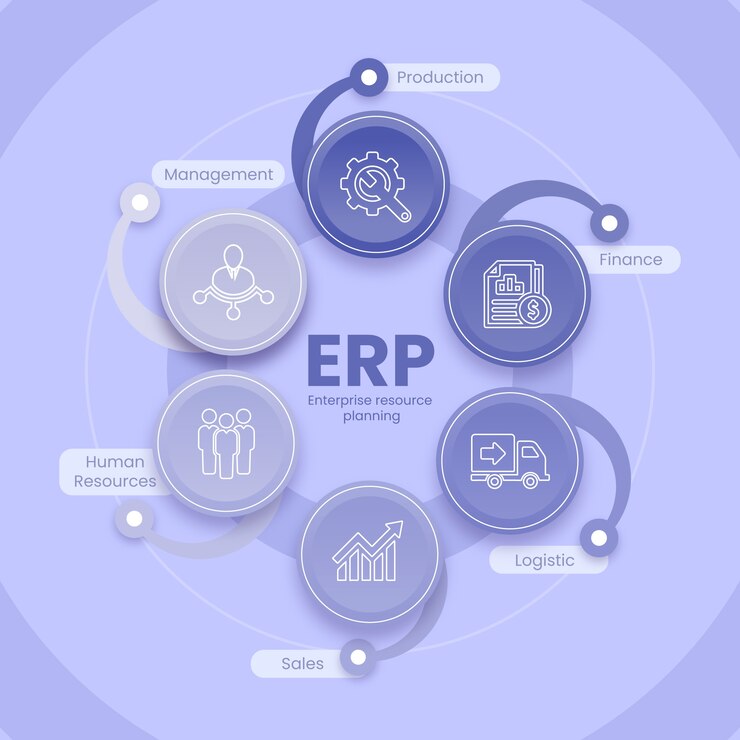
ERP system accounting is crucial for streamlined business operations. A key component of this is the effective implementation of accounting ERP, like the solutions offered at accounting erp. This integrated approach ensures accurate financial data and efficient resource management within the overall ERP system accounting structure.
Ultimately, this guide aims to empower you to select the right project management software for your organization. We’ll look at popular choices, highlight key features, and discuss future trends to ensure you’re equipped with the knowledge to make the best decision.
What is Project Management Software?: Erp System Accounting
Project management software, in essence, is a digital platform designed to help teams plan, execute, and track projects. Think of it as a centralized hub for all project-related information, tasks, and communications. These platforms provide tools to manage tasks, deadlines, resources, and budgets, fostering better collaboration and accountability within teams.
Different project management software caters to various project types, from simple to complex. They facilitate communication, streamline processes, and help teams stay on track. It’s not just about tracking tasks; it’s about fostering collaboration and ensuring everyone is aligned on project goals.
Choosing the right software is crucial for project success. It should align with your team’s working style, the complexity of your projects, and your budget. This guide will help you make an informed decision.
Benefits of Using Project Management Software
Implementing project management software offers numerous advantages. Improved communication is a key benefit, fostering better collaboration between team members. The centralized nature of these platforms reduces the risk of miscommunication and keeps everyone informed about project progress.
Software allows for real-time tracking of tasks and progress. This visibility empowers project managers to identify potential delays early on and adjust strategies proactively. Furthermore, software often allows for detailed reporting and analysis, providing insights into project performance and areas for improvement.
Increased efficiency is another major benefit. Streamlined workflows, automated tasks, and centralized information contribute to a more efficient project execution. This often translates to reduced project timelines and lower costs.
The improved organization offered by project management software can lead to significant cost savings. Better tracking of resources, optimized scheduling, and reduced rework are just a few examples.
7 Best Project Management Software Options
The project management software market offers a wide range of options, each with its own strengths and weaknesses. This section highlights seven popular choices, categorized by their strengths, to help you identify the best fit for your needs.
Asana, Erp system accounting
Asana is a versatile project management tool well-suited for teams of all sizes. Its user-friendly interface makes it accessible to new users, and its flexibility allows it to adapt to diverse project structures. Asana excels at task management and collaboration, making it a popular choice for those needing a simple but effective solution.
Asana’s core strengths lie in its intuitive task management system and seamless integration with other tools. It’s ideal for teams needing to track tasks, assign responsibilities, and monitor progress. Its integration with other popular platforms, such as Google Workspace and Slack, enhances its overall functionality.
While Asana is strong in its core functions, it may not be as robust for more complex project structures. It might lack the advanced reporting features found in some specialized software, and its pricing structure can vary depending on the features chosen.
Trello
Trello stands out for its visual approach to project management. Utilizing a kanban-style board, Trello offers a highly visual representation of tasks, making it easy to track progress at a glance. This visual approach is highly engaging and intuitive for teams who prefer a visual representation of project flow.
Trello’s strength lies in its visual and customizable nature, making it ideal for teams who value a clear overview of tasks and progress. Its drag-and-drop interface makes task management simple and intuitive, facilitating seamless collaboration. Integration with other tools is available, although it might not be as extensive as some other platforms.
Trello’s simplicity can sometimes be a limitation. It may not offer the same level of granular control as more complex platforms. Users needing advanced reporting and detailed project analysis might find alternative tools more suitable.
Jira
Jira is a popular choice for software development teams, particularly those using Agile methodologies. Its advanced features cater to complex projects with intricate dependencies and numerous tasks. Jira is particularly useful for teams with detailed project requirements and need a sophisticated platform for tracking issues and progress.
Jira is known for its powerful issue tracking and agile project management capabilities. It’s a comprehensive solution, supporting Scrum and Kanban methodologies. It excels at managing complex development projects and offers comprehensive reporting and analytics. Integration with other development tools is often a key requirement for these teams.
Jira’s robust features come at a price, both in terms of learning curve and potential cost. The platform can be complex for teams new to agile methodologies, and the pricing structure might be more expensive than simpler solutions. Choosing the right features and licenses is crucial.
How to Use/How to Buy Project Management Software
Choosing the right project management software involves careful consideration of your team’s needs and workflows. Begin by identifying specific project management challenges, and then assess the functionalities of various software options. Evaluate how well each software aligns with your team’s processes and how easy it is to integrate with existing tools.
Consider factors like the complexity of your projects, the number of team members, and the budget. Check for free trials or demos to test the software firsthand and see if it aligns with your team’s needs. Don’t forget to factor in potential ongoing costs like subscriptions or licenses when evaluating the software.
Before committing to a purchase, thoroughly evaluate the features offered by each software. Look for features like task management, communication tools, reporting capabilities, and integrations with other software you use. Ensure the platform supports the specific project management methodologies used by your team.
Data migration is often a crucial aspect of transitioning to a new project management platform. Consider how the new software will handle your existing data and how to import or migrate data from your previous system.
Future of Project Management Software
The project management software landscape is constantly evolving, driven by advancements in AI and automation. AI-powered tools are emerging to streamline tasks, predict potential delays, and optimize resource allocation.
Mobile-first design is another trend to watch. Project management software is increasingly accessible through mobile devices, allowing for on-the-go project management and collaboration. This increased accessibility can significantly enhance team productivity and collaboration.
Integration with other business applications is becoming more critical. Seamless integration with CRM, accounting, and other business tools can provide a holistic view of the project and its impact on the broader business. This interoperability is vital for efficient project management.
Conclusion
Selecting the right project management software is a critical step toward project success. Consider your team’s needs, project complexity, and budget. Evaluate the features, user experience, and potential integrations before making a final decision. This guide provided insights into various options, allowing you to make an informed choice. Check current pricing for each platform to determine the best value for your organization.
FAQs
Q: What is the difference between Agile and Waterfall project management methodologies?
A: Agile methodologies prioritize iterative development and flexibility, adapting to changing requirements throughout the project lifecycle. Waterfall methodologies follow a linear, sequential approach, with each phase completed before moving to the next. Choosing the right methodology depends on the project’s complexity and the team’s needs.
Q: How can I choose the best project management software for my team?
A: Start by evaluating your team’s needs, project complexity, and budget. Consider the software’s features, ease of use, and potential integrations with existing tools. Check reviews and demos before making a decision. Ultimately, the best software is the one that aligns with your team’s workflow and project goals.
Q: What are some key features to look for in project management software?
A: Essential features include task management, communication tools, reporting and analytics, and integrations with other applications. Look for software that supports collaboration, offers clear progress tracking, and provides insights into project performance.
Q: What is the cost of project management software?
A: Project management software pricing varies widely depending on the platform, features, and subscription level. Check current pricing for each platform to determine the best value for your organization.
Q: Are there free project management software options available?
A: Yes, several project management platforms offer free plans with limited features. These can be a good starting point for smaller teams or for evaluating software before committing to a paid subscription. Check current pricing and features for each platform to find the best fit for your needs.