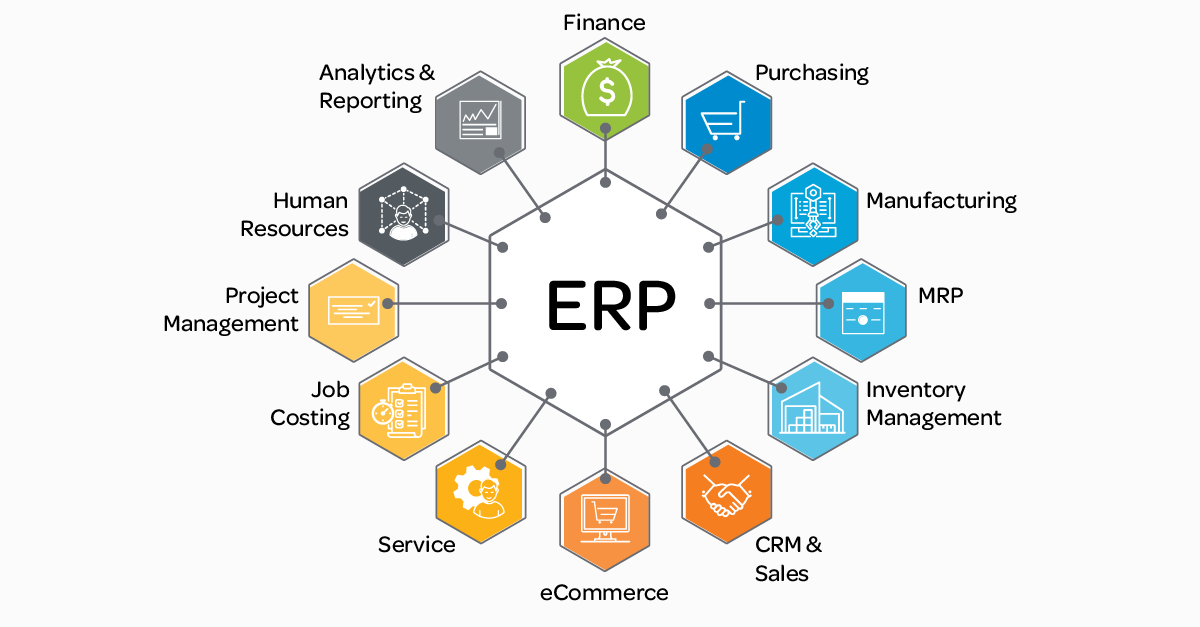
Erp system development – In today’s fast-paced business environment, efficient project management is crucial for success. Projects, whether large or small, often involve numerous tasks, deadlines, and stakeholders. Effective organization and communication are paramount to keeping everything on track. This is where project management software steps in, offering a centralized platform to manage every aspect of a project from initiation to completion.
This software empowers teams to collaborate seamlessly, track progress in real-time, and ensure that projects stay within budget and on schedule. Imagine a scenario where your team is scattered across different locations, working on diverse tasks. Without a robust project management system, communication breakdowns and missed deadlines could easily occur. Project management software provides a solution to this problem, facilitating seamless communication and collaboration.
Beyond basic task management, these platforms often incorporate features like Gantt charts, Kanban boards, and resource allocation tools, offering comprehensive project oversight. The flexibility of modern project management software allows for customization, enabling teams to adapt the system to their unique workflow needs. This flexibility is especially useful for companies with complex projects or specialized industries.
These tools aren’t just for large corporations; small businesses and individual freelancers can also benefit from the increased organization and efficiency they offer. A well-chosen project management tool can free up valuable time, allowing users to focus on strategic tasks rather than getting bogged down in administrative details. From managing client expectations to optimizing resource allocation, these platforms are versatile tools for boosting productivity.
Selecting the right project management software is crucial for maximizing its benefits. Consider your team’s size, the complexity of your projects, and your budget when evaluating different options. This article explores the essential features of top-rated project management software, providing insights into how to choose the perfect fit for your needs.
What is Project Management Software?: Erp System Development
Project management software is a digital platform designed to help teams manage projects more efficiently. Think of it as a centralized hub for all project-related information. It streamlines communication, task assignment, progress tracking, and reporting, effectively reducing the chance of errors and delays.
These platforms typically offer tools for creating project plans, assigning tasks, setting deadlines, and tracking progress. Furthermore, they often incorporate features for collaboration, allowing team members to share updates, communicate effectively, and work together towards shared goals. Modern software often provides comprehensive reports and analytics to monitor project health and identify potential roadblocks early on.
Essentially, it’s a digital system for organizing and executing projects. By centralizing tasks, documents, and communication, it helps teams stay on track and deliver successful outcomes.
Benefits of Using Project Management Software
Implementing project management software yields numerous advantages. Improved communication is a key benefit, enabling seamless collaboration between team members, regardless of location. This streamlined communication often leads to more efficient task assignment and progress updates, ultimately reducing the likelihood of misunderstandings and missed deadlines.
Furthermore, project management software allows for better task organization and prioritization. The ability to break down complex projects into smaller, manageable tasks, and set deadlines and milestones significantly improves workflow efficiency. This detailed organization enhances transparency, making project progress visible to all stakeholders, which is critical for maintaining accountability and aligning everyone towards the shared objectives.
Beyond improved communication and task management, the software often offers valuable insights through reporting and analytics. This allows project managers to monitor key performance indicators (KPIs) and identify potential bottlenecks or areas needing improvement early in the project lifecycle. By leveraging these insights, teams can adapt their strategies and optimize their resources for optimal project outcomes.
ERP system development often involves streamlining various business processes. A crucial aspect of this is automating accounts payable (AP). Choosing the right AP automation software, like the options available at best ap automation software for small business , can significantly improve efficiency and reduce manual errors, ultimately enhancing the overall effectiveness of your ERP system.
7 Best Project Management Software Solutions
Choosing the right project management software is critical for a successful project. Various platforms cater to different needs and budgets. We’ve compiled a selection of popular and effective options to consider. Each software solution has its own strengths and weaknesses, so careful evaluation is essential.
Asana
Asana is a versatile project management tool that’s often lauded for its user-friendly interface. Best for teams of all sizes, it facilitates task management, collaboration, and communication. Its flexibility enables users to adapt the platform to their specific workflow needs.
Key capabilities include task assignment, deadline setting, progress tracking, and integrated communication tools. Asana works well with various other apps, allowing for seamless data flow and improved efficiency. Its ease of use makes it an attractive option for teams transitioning from less sophisticated methods.
Asana’s strength lies in its intuitive design and comprehensive task management features. However, some users find its reporting features less robust compared to other options. Its free tier offers a good starting point, but for larger teams, upgrades come with costs that should be carefully considered.
Trello
Trello is a visual project management tool that utilizes a Kanban board format. This visual approach is particularly beneficial for projects that involve a series of interconnected tasks. Its visual nature makes it particularly effective for teams that thrive on a clear, visual representation of progress.
Trello’s primary strength is its flexibility and ease of use. The Kanban board provides a straightforward way to track progress, while its integration with other apps enhances overall productivity. Its affordability and ease of use make it a popular choice for individuals and smaller teams.
While Trello excels at visualizing progress, it might lack the depth of reporting and analytics found in some more sophisticated tools. Its free plan is generous, allowing for a considerable amount of use. For large-scale projects, the limitations of the free plan might become apparent, prompting consideration of upgrades.
Jira
Jira is a robust project management tool that’s frequently employed by development teams. Best suited for software development projects, it offers features like issue tracking, agile workflows, and comprehensive reporting. Its detailed features make it ideal for managing complex projects with intricate dependencies.
Jira’s strength lies in its specialized features for software development projects. It allows for tracking bugs, managing sprints, and visualizing workflows using agile methodologies. Its extensive reporting and customization options are highly valued by development teams.
Jira’s extensive functionality comes with a steeper learning curve compared to some simpler tools. The robust features, while advantageous, can also lead to a higher cost. Check current pricing to see if it fits your budget and project scope.
How to Use / How to Buy Project Management Software
Evaluating project management software involves several key factors. Consider your team’s size, the complexity of your projects, and your budget. A free trial is often available, allowing you to test the software’s features and determine if it aligns with your workflow. Review user reviews to gauge the software’s usability and identify potential drawbacks.
Before committing to a purchase, thoroughly assess the integration capabilities with other tools your team currently uses. Smooth integration ensures a seamless workflow. Understand the setup process to determine the time commitment required for initial implementation. Factor in the time needed for onboarding and training your team.
Consider the support options offered by the software provider. Reliable customer support is crucial when issues arise. Evaluate the level of customization available to tailor the platform to your specific needs. Assess the reporting features to ensure they meet your reporting requirements. Identify and prioritize KPIs to measure project success.
Future of Project Management Software
The future of project management software hinges on several trends. AI-powered automation will play an increasingly significant role, streamlining tasks and providing predictive analytics. Mobile accessibility will become even more critical, enabling teams to work from anywhere. Seamless integrations with other business tools will further enhance efficiency. Compliance and security features will remain paramount, ensuring data protection and regulatory adherence.
Expect to see more sophisticated payment gateways integrated into the software. This will simplify invoicing, expense tracking, and payment management for teams.
Conclusion
Project management software is a valuable asset for teams seeking to streamline their workflow, enhance collaboration, and boost project success. Choosing the right software involves careful consideration of your team’s needs, project complexity, and budget. Evaluate the features, usability, and integration capabilities of various options to select the optimal solution. By leveraging the power of project management software, teams can achieve greater efficiency, transparency, and accountability in their projects.
Explore the options available, and find the perfect fit for your needs today!
FAQs
Q: What are some free project management software options?
A: Several platforms offer free tiers or limited functionalities. Asana, Trello, and Monday.com are examples of popular choices with free options.
Q: How can project management software improve collaboration?
A: Project management software facilitates communication and information sharing, fostering collaboration across teams and departments, regardless of their geographical locations.
Q: Is project management software necessary for small teams?
A: While not strictly essential, project management software can significantly improve organization and efficiency, even for small teams. It can be especially valuable as the team grows and projects become more complex.
Q: What are the key factors to consider when choosing project management software?
A: Consider your team’s size, project complexity, budget, integration needs, and reporting requirements when evaluating project management software.
Q: How do I ensure data security when using project management software?
A: Look for platforms with robust security features, data encryption, and compliance certifications to protect your sensitive project information.