Facilities management software – In today’s competitive market, businesses need sophisticated tools to manage customer interactions effectively. Customer Relationship Management (CRM) systems are the backbone of this approach, enabling companies to streamline their sales, marketing, and service efforts. From small startups to large enterprises, CRM solutions offer a centralized platform for organizing customer data and fostering stronger relationships. This comprehensive guide delves into the world of CRM, exploring its intricacies and benefits, and presenting some of the top CRM platforms available. Understanding CRM systems can empower businesses to maximize their customer base and boost profitability.
Imagine a scenario where all your customer interactions, from initial contact to post-purchase support, are seamlessly tracked and accessible in one place. That’s the power of a robust CRM. A well-implemented CRM can transform how your business interacts with clients, offering valuable insights into customer behavior and preferences. This translates into personalized experiences, targeted marketing campaigns, and ultimately, increased customer loyalty.
Beyond simply organizing data, modern CRM solutions are often integrated with other business applications, such as marketing automation tools and e-commerce platforms. This integration streamlines workflows and provides a holistic view of the customer journey. Moreover, advanced analytics features within many CRM systems can help businesses identify trends, predict future needs, and make data-driven decisions.
Choosing the right CRM solution is crucial for a business’s success. The right CRM should be tailored to your specific needs, scale with your growth, and offer the functionality required to achieve your objectives. This article will not only explore the concept of CRM but will also introduce some of the best-in-class CRM software solutions available.
This guide will equip you with the knowledge to evaluate various CRM platforms and select the one that best fits your business’s requirements and budget. We’ll cover everything from core features to implementation strategies, helping you navigate the often-complex world of CRM solutions. Whether you’re a seasoned business owner or a newcomer to CRM, this guide provides a practical and insightful approach to understanding and leveraging these powerful tools.
A well-structured CRM system fosters a deeper understanding of your customer base. This knowledge is crucial for businesses to effectively tailor their strategies and offerings, fostering customer loyalty and driving revenue growth.
What is CRM?
CRM, or Customer Relationship Management, is a system designed to manage and improve interactions with customers. It’s a multifaceted approach that helps businesses organize customer data, track interactions, and ultimately, strengthen relationships. Essentially, CRM provides a centralized repository for all customer-related information, ensuring a holistic view of each customer’s journey.
Crucially, CRM solutions go beyond simple data storage. They empower businesses to automate tasks, personalize communications, and gain actionable insights from customer interactions. This allows for more targeted marketing efforts, improved customer service, and a significant boost in sales efficiency.
Different types of CRM exist, catering to various business needs. Some are focused on sales, others on marketing, and some are designed for a comprehensive view of the entire customer journey. Choosing the right CRM is a critical decision that can dramatically impact a company’s performance and profitability.
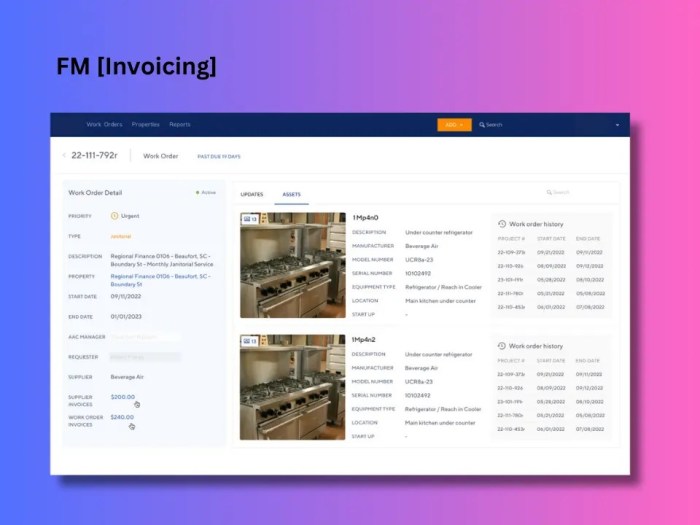
The core function of a CRM is to centralize customer data and interactions. This allows businesses to understand their customers better and tailor their approach accordingly. This comprehensive view often leads to increased customer satisfaction and loyalty.
Benefits of Using CRM
Implementing a CRM system yields a multitude of benefits, impacting various facets of a business. Enhanced customer communication is a primary advantage. Real-time data access enables more personalized interactions, improving customer satisfaction and fostering stronger relationships.
Streamlined sales processes are another significant benefit. CRM tools automate tasks, track leads, and manage sales pipelines, significantly increasing efficiency and conversion rates. Data analysis and reporting are crucial for understanding customer behavior and trends, allowing businesses to adjust strategies in real-time and make informed decisions.
Improved customer service is another key advantage. CRM systems provide a centralized view of customer interactions, enabling agents to access relevant information quickly and efficiently, leading to faster resolution of issues and happier customers. This, in turn, boosts customer retention and positive word-of-mouth marketing.
Integration with other business applications is also a critical benefit. Modern CRM solutions are often designed with seamless integration capabilities, connecting with marketing automation tools, e-commerce platforms, and other business software. This integration allows for a holistic view of the customer journey, improving overall business efficiency.
7 Best CRM Software Solutions
Selecting the right CRM solution depends heavily on your business’s specific needs. A small business may find a simpler, more affordable solution sufficient, while a large enterprise may require a more complex system with advanced features. Here are seven top-rated CRM solutions, each with unique strengths and weaknesses.
Salesforce
Salesforce is a widely recognized CRM platform known for its comprehensive features and scalability. It’s a popular choice for businesses of all sizes, providing a robust platform for sales, marketing, and customer service. Best for businesses needing a complete, scalable solution, Salesforce offers various functionalities, from lead management to customer service automation.
Salesforce’s strengths lie in its robust features, extensive integrations, and scalability. However, its comprehensive nature can lead to a steeper learning curve and higher implementation costs. Consider Salesforce if you need a comprehensive solution for all your business needs.
Check current pricing for Salesforce.
HubSpot CRM
HubSpot CRM offers a user-friendly interface and a comprehensive suite of marketing tools. Its integrated marketing features make it a powerful choice for businesses looking to streamline their marketing and sales efforts. Best for companies prioritizing marketing automation and lead nurturing.
HubSpot’s ease of use and strong marketing integrations are significant advantages. However, some users find the lack of specific advanced features a limitation. Consider HubSpot if your primary focus is marketing automation and lead nurturing.
Check current pricing for HubSpot.
Zoho CRM
Zoho CRM is a comprehensive CRM platform with a wide range of features. It offers excellent customer support and flexibility in customization. Best for businesses needing a versatile and adaptable solution.
Zoho CRM’s adaptability and affordability are notable strengths. Its extensive customization options are beneficial for businesses with specific requirements. However, some users report a slightly less intuitive interface compared to other options. Zoho is an excellent choice for businesses seeking flexibility and cost-effectiveness.
Check current pricing for Zoho CRM.
Microsoft Dynamics 365, Facilities management software
Microsoft Dynamics 365 is a powerful CRM system that seamlessly integrates with other Microsoft products. This integration is a major advantage for businesses already invested in Microsoft’s ecosystem. Best for businesses already using Microsoft products or needing a tightly integrated solution.
The tight integration with other Microsoft products is a major strength of Dynamics 365. However, the complexity of the platform may present a barrier to entry for smaller businesses. Consider Dynamics 365 if your business heavily relies on Microsoft technologies.
Check current pricing for Microsoft Dynamics 365.
Pipedrive
Pipedrive is a visually-oriented CRM solution that focuses on sales pipelines. Its intuitive interface and ease of use make it an attractive option for businesses prioritizing sales efficiency. Best for sales-focused companies that want a straightforward and visual CRM.
Pipedrive’s simplicity and intuitive design are its strengths. However, its limited features beyond sales pipelines might be a drawback for businesses with more comprehensive needs. Choose Pipedrive if you need a straightforward and visual sales-oriented CRM.
Check current pricing for Pipedrive.
Freshsales
Freshsales is a cloud-based CRM system that offers a streamlined approach to sales management. It prioritizes ease of use and efficiency, making it an excellent option for businesses needing a straightforward and user-friendly CRM solution. Best for sales teams that want a focused and intuitive solution.
Freshsales’ user-friendly design and focus on sales processes are key strengths. However, some users might find its features limited compared to more comprehensive CRM platforms. Freshsales is an ideal choice for sales teams seeking an easy-to-navigate platform.
Check current pricing for Freshsales.
Insightly
Insightly is a CRM platform known for its strong project management capabilities. It’s an excellent option for businesses that need to manage both customer relationships and projects effectively. Best for businesses that require robust project management integration.
Insightly’s strong project management features are its strength. However, its interface might not be as intuitive as some other CRM solutions. Consider Insightly if you need strong project management features within your CRM.
Check current pricing for Insightly.
How to Use/How to Buy CRM
Evaluating a CRM involves considering your business’s specific needs and resources. Key factors include the size of your team, the volume of customer interactions, and the complexity of your sales process. Begin by defining your specific requirements and budget. Research and compare different CRM solutions based on your criteria. Test various solutions to determine which aligns best with your workflows and user experience.
The setup process for a CRM can vary depending on the platform. Generally, it involves account creation, data migration, user roles assignment, and integration with existing systems. Ensure your team is trained on the system’s features and functionalities. Data migration from previous systems is crucial and requires careful planning. Consider hiring a consultant if needed for complex migrations or implementation.
Future of CRM
The CRM landscape is constantly evolving. Expect more integration with AI and automation for tasks like lead scoring and personalized communications. Mobile-first CRM solutions will continue to gain traction, offering greater flexibility and accessibility. Advanced analytics and reporting features will likely become even more sophisticated, enabling more precise predictions and data-driven decisions.
Growing compliance requirements will also influence CRM development. Solutions that comply with industry regulations will become increasingly important. Further integration with payment gateways will be essential for streamlining transactions and enhancing the customer experience. These advancements will continue to reshape the CRM landscape, impacting businesses of all sizes.
Conclusion
CRM systems are essential tools for modern businesses to manage customer interactions effectively. This guide has highlighted the various benefits and key features of different CRM platforms. Choosing the right CRM solution involves careful consideration of your specific needs, budget, and the desired level of integration. By selecting a CRM that aligns with your business objectives, you can streamline your operations, improve customer relationships, and boost profitability. Implementing a CRM system strategically can revolutionize your business.
FAQs: Facilities Management Software
Q: What is the difference between a sales CRM and a marketing CRM?
A: A sales CRM focuses on managing the sales pipeline, tracking leads, and closing deals. A marketing CRM emphasizes marketing automation, campaign management, and lead nurturing.
Q: How much does a CRM system cost?
A: CRM pricing varies significantly based on features, functionalities, and the number of users. Check current pricing for different platforms.
Q: Can CRM be used for non-profit organizations?
A: Absolutely! CRM systems can be highly beneficial for non-profits by managing donor relationships, tracking fundraising activities, and organizing volunteer efforts.
Q: What are the key metrics to track with a CRM?
A: Key metrics include sales conversion rates, customer lifetime value, customer satisfaction scores, and marketing campaign ROI.
Q: How do I choose the right CRM for my business?
A: Carefully evaluate your business needs, budget, and desired functionalities. Compare different CRM platforms based on your specific requirements and try out free trials where available.