Hubspot crm for real estate – In today’s fast-paced business environment, effective project management is crucial for success. Projects often involve multiple stakeholders, diverse tasks, and tight deadlines. A robust project management solution can streamline these processes, ensuring projects stay on track and within budget.
Choosing the right project management software can significantly impact your team’s productivity and overall project outcomes. This comprehensive guide will explore the key aspects of project management software, examining its benefits, popular options, and future trends. We’ll also discuss crucial factors to consider when evaluating and implementing these tools.
Imagine a scenario where your team is struggling to collaborate effectively on a complex project. Miscommunication, missed deadlines, and duplicated efforts are common occurrences, leading to frustration and project delays. Fortunately, project management software can address these challenges. This software provides a centralized platform for communication, task assignment, progress tracking, and overall project oversight.
With a well-chosen project management solution, your team can gain invaluable insights into project progress. Visual dashboards and real-time updates help teams make informed decisions and adapt to changing circumstances efficiently. This proactive approach minimizes risks and maximizes project success.
This guide aims to demystify the world of project management software, equipping you with the knowledge to select the right solution for your needs. We’ll explore the key features, benefits, and considerations to help you navigate the options available. This in-depth exploration will allow you to make an informed decision, ultimately improving project outcomes.
Beyond the practical aspects, this guide will also touch upon the evolving landscape of project management software. As technology advances, so too do the capabilities of these tools, impacting how teams work and collaborate. Understanding these trends will help you prepare for the future of project management.
What is Project Management Software?
Project management software is a digital platform designed to help teams plan, execute, and manage projects effectively. It provides tools for task management, communication, collaboration, and reporting, streamlining the entire project lifecycle. These tools offer a centralized hub for all project-related information, making it easier to track progress and identify potential roadblocks.
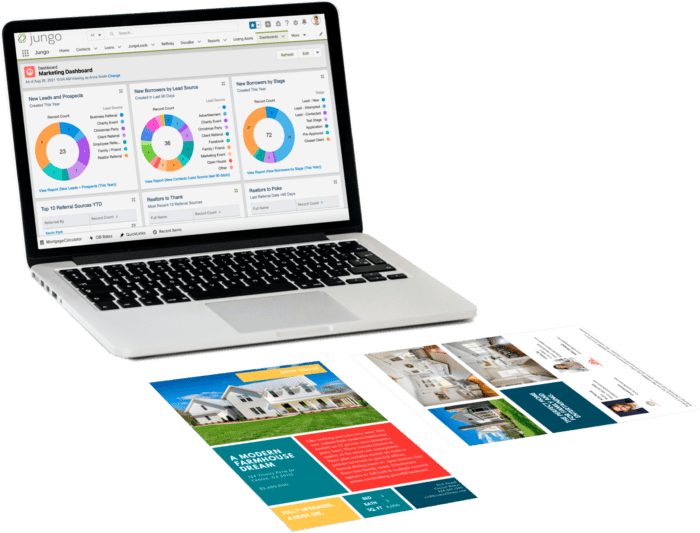
Essentially, it’s a digital workspace for projects. Think of it as a central repository for documents, deadlines, and task assignments, allowing everyone involved to stay informed and aligned. This facilitates smooth communication and collaboration across teams and stakeholders.
Modern project management software often integrates with other tools, like calendars, communication platforms, and document management systems. This seamless integration can significantly enhance workflow efficiency and productivity.
Different software solutions cater to various project types and team sizes. Some options are specifically designed for agile methodologies, while others focus on traditional project management approaches. Understanding these differences is crucial for selecting the right fit for your needs.
Benefits of Using Project Management Software: Hubspot Crm For Real Estate
Project management software offers a plethora of benefits, ranging from improved communication and collaboration to enhanced project visibility and control. By centralizing information, teams can stay aligned and informed, which ultimately leads to better project outcomes.
Effective project management software empowers teams to track progress, manage deadlines, and allocate resources efficiently. This proactive approach minimizes risks and maximizes project success. Real-time updates and visual dashboards provide a clear overview of the project’s status, enabling timely adjustments and interventions when needed.
Moreover, project management software can significantly improve communication and collaboration among team members. Features like shared calendars, instant messaging, and discussion forums foster better interaction and ensure everyone is on the same page. This can be especially valuable for geographically dispersed teams.
Ultimately, a robust project management solution contributes to increased efficiency, reduced errors, and improved project outcomes. It fosters a culture of transparency and accountability, which are essential for successful project completion.
7 Best Project Management Software Options
The project management software landscape is vast, with numerous options catering to different needs and budgets. Choosing the right tool requires careful consideration of your specific requirements and team dynamics.
Fortunately, several top-rated solutions offer a compelling blend of features and functionalities. This section will introduce seven strong contenders, highlighting their key strengths and potential limitations.
These tools vary in their strengths and functionalities. Some excel in task management, while others prioritize collaboration features. Understanding these nuances is essential to finding the perfect fit for your workflow.
Asana, Hubspot crm for real estate
Asana is a popular choice, particularly for its user-friendly interface and robust task management features. It’s suitable for teams of all sizes, offering flexible customization options to adapt to various project structures.
Asana shines with its intuitive task management capabilities. It allows teams to break down complex projects into smaller, manageable tasks, assign responsibilities, and track progress with ease. Its integrations with other tools further enhance its utility.
While Asana excels in task management, its reporting features could be more advanced for some complex projects. The pricing structure might be a consideration for smaller teams.
Asana’s onboarding process is generally straightforward, and excellent customer support is available.
Jira
Jira is a powerful project management tool, often preferred by development teams. Its agile methodologies and robust issue tracking make it a go-to for software development projects.
Jira stands out in its agile project management capabilities. Its ability to track and manage issues is exceptional, and the visual representations of workflows are highly intuitive. Its integration with other development tools further strengthens its appeal.
However, Jira might not be the ideal choice for non-development projects. Its steep learning curve can be a hurdle for teams unfamiliar with agile methodologies. Check current pricing to determine the best fit for your team’s needs.
How to Use/How to Buy Project Management Software
Choosing the right project management software involves evaluating your team’s specific needs and preferences. Consider factors like task management, communication tools, reporting capabilities, and scalability. A free trial is often available to test the software’s functionality and ease of use before committing to a purchase.
The setup process typically involves creating accounts, assigning roles, and configuring project templates. Consider how your team will integrate the new software with existing workflows and tools. Data migration strategies should also be planned.
Key performance indicators (KPIs) for project management software should align with your project goals. Monitor metrics like task completion rates, project on-time delivery, and resource utilization to gauge effectiveness. Regular reviews are vital for ensuring optimal performance.
Future of Project Management Software
The future of project management software is shaped by several key trends. Artificial intelligence (AI) is poised to automate repetitive tasks and provide more insightful project predictions. Mobile accessibility is becoming increasingly important, empowering teams to work efficiently from anywhere.
Integrations with other business applications will become even more seamless, streamlining workflows and providing a holistic view of projects. Furthermore, compliance and security considerations will play an even greater role, demanding robust security measures from software providers.
HubSpot CRM is a powerful tool for real estate businesses, streamlining client interactions and boosting sales. For property managers, however, QuickBooks offers a robust suite of tools, including specialized features for managing finances and operations. This often includes accounting, invoicing, and even tenant communication integration, making quickbooks for property management a valuable alternative to some CRM features.
Ultimately, the best solution depends on specific needs, but HubSpot CRM remains a top choice for comprehensive real estate management.
Expect more emphasis on seamless integration with payment processing platforms to facilitate streamlined budgeting and expense tracking. These advancements will undoubtedly shape the future of project management, creating a more efficient and streamlined workflow.
Conclusion
Choosing the right project management software can significantly enhance your team’s productivity and project outcomes. This guide has explored the key aspects of project management software, highlighting its benefits and popular options. By carefully evaluating your team’s needs and considering the future trends in the industry, you can select the perfect solution for your project management workflow.
Ultimately, selecting the right software is an investment in your team’s efficiency and project success. Implementing the right tool can significantly reduce delays, improve communication, and enhance overall project outcomes.
Ready to take your project management to the next level? Explore the various options discussed in this guide and choose the solution that best aligns with your team’s needs and preferences. Check current pricing for each software option to determine the best value for your budget.
FAQs
Q: What are the key features to look for in project management software?
A: Look for features like task management, communication tools, reporting capabilities, and integrations with other software. The specific features will depend on your team’s needs and project requirements.
Q: How much does project management software typically cost?
A: Pricing varies greatly depending on the features, functionalities, and the number of users. Check current pricing with each vendor to determine the best fit for your budget.
Q: Can project management software be used for non-development projects?
A: Absolutely! Many project management solutions are versatile and can be used for various project types, from marketing campaigns to construction projects. Evaluate the features of different solutions to find the best fit for your needs.
Q: How do I choose the right project management software for my team?
A: Consider your team’s size, project types, and workflow preferences. A free trial or demo can help you evaluate the user experience and functionality of the software before making a purchase.
Q: What are some of the latest trends in project management software?
A: Emerging trends include AI-powered features, enhanced mobile accessibility, seamless integrations with other applications, and greater emphasis on security and compliance.