Law firm practice management software – In today’s fast-paced business environment, effective project management is crucial for success. From small startups to large corporations, managing tasks, deadlines, and resources efficiently is paramount. Project management software plays a vital role in streamlining these processes, enabling teams to collaborate seamlessly and deliver projects on time and within budget. This guide delves into the world of project management software, exploring its core functionalities, benefits, and top-rated tools. We’ll cover everything from choosing the right software to understanding the future of project management in the digital age. This guide equips you with the knowledge to make informed decisions and select the perfect project management software for your needs.
Finding the ideal project management software can be daunting. There’s a vast array of options available, each with its own strengths and weaknesses. Understanding the fundamental features and functionalities of project management tools is key to navigating this landscape. This comprehensive guide provides an in-depth look at different project management platforms, highlighting their unique advantages and disadvantages. With practical insights and real-world examples, you’ll gain a clear understanding of how to evaluate and select the perfect solution for your team.
Project management software has revolutionized the way businesses operate. It offers a centralized platform for managing tasks, tracking progress, and facilitating communication between team members. The ability to monitor deadlines, allocate resources, and identify potential bottlenecks is crucial for any project. Effective project management software empowers teams to deliver high-quality work efficiently. The use of project management software has demonstrably increased productivity and efficiency for countless organizations.
Beyond its core functionalities, the best project management software often integrates with other essential tools, such as communication platforms and file-sharing services. This seamless integration streamlines workflows and enhances overall productivity. Many modern project management tools are designed to be flexible and adaptable to different project types and team sizes. Consider the specific needs of your team and the types of projects you typically undertake when evaluating options.
Choosing the right project management software is a critical decision for any organization. The selection process should involve careful consideration of your team’s needs, the nature of your projects, and the budget constraints. By understanding the nuances of various project management software, you can make an informed choice that optimizes your team’s productivity and ensures project success. This guide aims to illuminate the path towards finding the perfect solution for your unique organizational requirements.
What is Project Management Software?
Project management software is a digital platform designed to help teams plan, execute, track, and manage projects effectively. It provides a centralized hub for all project-related information, enabling collaboration and communication among team members. Think of it as a digital roadmap for your projects, organizing tasks, deadlines, and resources. These tools often offer various features to optimize workflow and improve overall project performance.
At its core, project management software provides a structured approach to project management. It facilitates task assignment, progress tracking, and communication. This structure helps teams stay organized, manage deadlines, and minimize potential delays. The software typically includes features for creating and managing project plans, assigning tasks, and monitoring progress against timelines.
Beyond basic task management, many project management tools incorporate robust collaboration features. These tools often allow for real-time updates, file sharing, and communication channels, fostering seamless teamwork. This collaborative aspect of project management software is particularly beneficial in distributed teams or remote work environments. The software can connect all project members, regardless of their physical location.
The functionalities of project management software can vary significantly, ranging from basic task management to advanced features like resource allocation, budgeting, and reporting. Features like Gantt charts, Kanban boards, and other visual tools are often included to aid in project visualization and management.
Benefits of Using Project Management Software
Implementing project management software brings a multitude of benefits, enhancing team collaboration, increasing efficiency, and ultimately improving project outcomes. Improved communication is a key benefit. With centralized communication channels, project teams can stay informed about progress and any potential roadblocks, fostering a more productive work environment.
Software often streamlines workflows by automating repetitive tasks. Automating processes like task assignments, reminders, and progress updates frees up team members to focus on more critical aspects of the project. Reduced administrative overhead is a major benefit. Project management software takes care of the administrative tasks, freeing up valuable time for team members to focus on strategic aspects of the project.
Real-time project visibility is a significant advantage. Project managers and team members can access up-to-date information on tasks, deadlines, and progress, enabling proactive adjustments and risk mitigation. This transparency fosters better decision-making and reduces the risk of project delays.
Enhanced collaboration and communication are essential elements of project success. Project management software often includes features that facilitate seamless communication and collaboration among team members, irrespective of their location. The software helps ensure everyone is on the same page, minimizing misunderstandings and maximizing efficiency.
7 Best Project Management Software Options
Choosing the right project management software requires careful consideration of various factors. The features, cost, and ease of use are essential elements to evaluate. This section explores seven prominent options, offering insights into their strengths and limitations. Consider your specific needs and budget when selecting a software solution.
Asana
Asana is a popular choice for its user-friendly interface and flexibility. It’s best for teams who value simplicity and a straightforward approach to project management. Asana excels in task management and workflow organization. Its integrations with other popular tools further enhance its utility. The software’s simplicity is a strong point, but it might lack advanced features for very complex projects.
Asana’s core capabilities include task management, project planning, and collaboration features. It supports a wide range of project types and integrates with various other tools. This seamless integration makes it a valuable asset for managing multiple tasks and projects across different platforms.
Asana’s strengths lie in its ease of use and flexibility. It’s ideal for teams who prioritize simplicity and visual project organization. However, its lack of robust reporting features might be a drawback for organizations requiring detailed analytics. Check current pricing for Asana’s different plans.
Asana’s onboarding process is generally straightforward. Support resources are available, but the user-friendly interface often minimizes the need for extensive support. Consider Asana if your team prioritizes a simple and intuitive project management system.
Trello, Law firm practice management software
Trello offers a visual, Kanban-style approach to project management. It’s ideal for teams who prefer a visual representation of tasks and progress. Trello’s flexibility is a major advantage, allowing teams to adapt workflows to their specific needs. Its user-friendly interface and flexibility make it a compelling option for various project types.
Trello’s core capabilities revolve around visualizing tasks and workflows. It facilitates communication and collaboration among team members. Its drag-and-drop functionality is particularly useful for managing tasks and progress. Trello’s strengths lie in its visual nature and ease of use.
Trello’s flexibility is a major advantage. However, it may lack the detailed reporting and analytics capabilities found in some other project management platforms. The software’s visual nature is a strength for some, but it might not suit teams requiring a highly structured project approach. Check current pricing for different plans.
Onboarding with Trello is generally quick and straightforward. Support resources are available to assist users. Trello is an excellent choice for visual project management and teams prioritizing flexibility.
How to Use / How to Buy Project Management Software
Evaluating project management software involves considering various factors. Consider your team’s size, project complexity, and budget constraints. The selection process should also incorporate a trial period to test the software’s suitability for your specific needs. Consider the software’s features and capabilities. Explore different pricing plans to find a suitable option.
Setup steps typically involve account creation, user roles assignment, and project setup. Thorough documentation and tutorials are usually available. Understanding the software’s features and functions is crucial for efficient implementation. Data migration strategies will depend on the software and your current data structure. Proper planning and execution are essential to avoid data loss.
Law firm practice management software often needs robust accounting tools. Integrating with solutions like QuickBooks project accounting can streamline project tracking and billing, making the whole process much smoother. This ultimately improves efficiency and profitability for the law firm.
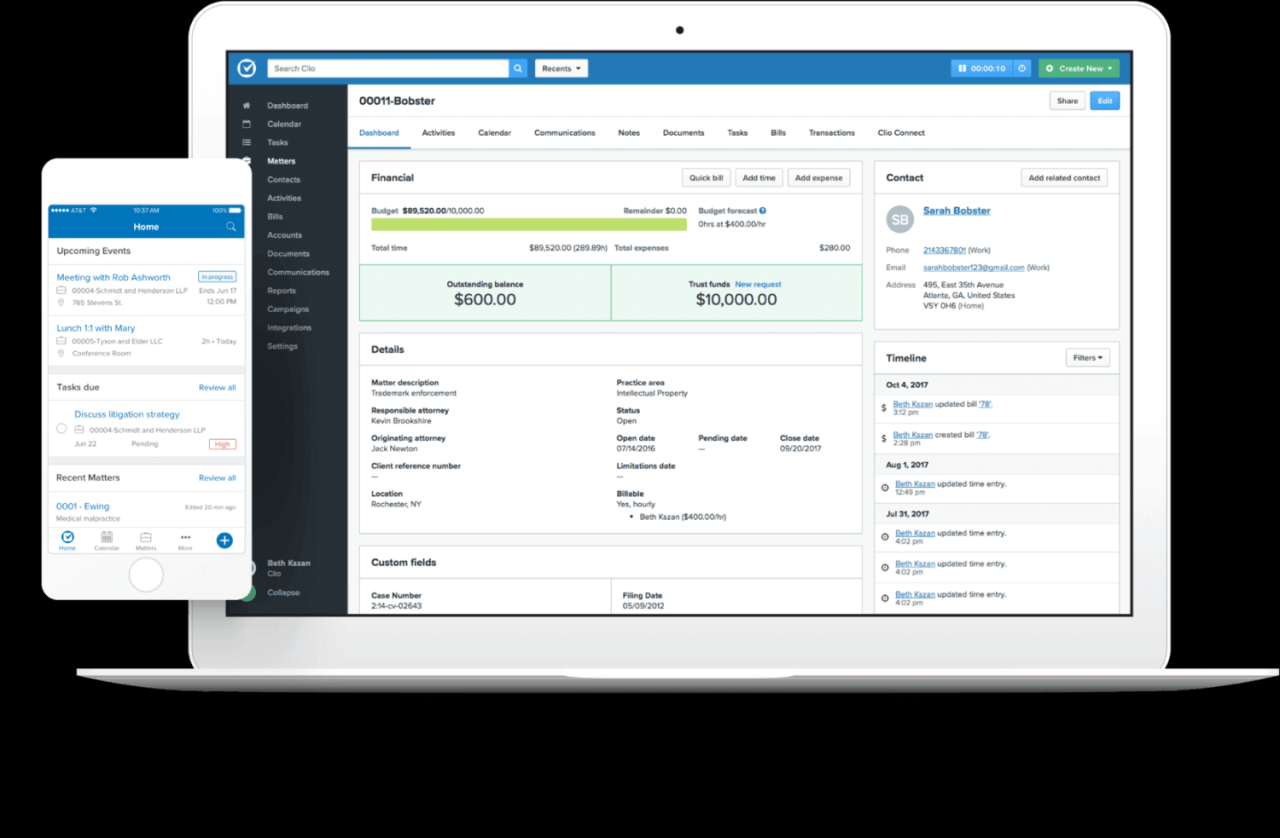
Integration with other tools is a critical factor. Ensure the software integrates seamlessly with existing communication platforms, file-sharing services, and other essential tools. Look for integrations that enhance workflow and streamline project management. Onboarding new team members should be straightforward, and training resources should be available. Efficient onboarding is key to maximizing the software’s benefits.
Key performance indicators (KPIs) are crucial for measuring project success. The software should provide tools to track and analyze KPIs, enabling project managers to monitor progress, identify potential bottlenecks, and make data-driven decisions. Using project management software should improve project efficiency and outcomes. Understanding the software’s capabilities and how to leverage them is critical for optimizing project management.
Future of Project Management Software: Law Firm Practice Management Software
The future of project management software is intertwined with emerging technologies, such as AI and automation. Expect more sophisticated tools that automate tasks and provide predictive analytics for better project planning. Increased mobile access and integration with mobile devices will be crucial for remote teams. Compliance and security will remain top priorities, driving the development of more robust security features. Payment integration is becoming more critical to track expenses.
AI-powered features will play a more prominent role in the future. AI will automate routine tasks, providing project managers with more time for strategic decision-making. Expect AI-driven insights to predict potential risks and recommend proactive solutions. Automation will reduce human error and streamline processes, improving project efficiency. Mobile-first design will be essential for teams working remotely or across various locations. Remote teams will benefit from more accessible tools on mobile devices.
Improved integration with other business applications will be a key trend. Expect project management software to seamlessly integrate with CRM, accounting, and other essential tools. This integration will create a unified platform for managing all business operations. Data security and compliance will remain top priorities. Robust security measures and adherence to relevant regulations will be critical in the future of project management software.
Conclusion
Choosing the right project management software is crucial for team productivity and project success. This guide has provided a comprehensive overview of project management software, its benefits, and various options. Consider your team’s needs, budget, and project complexity when evaluating different software solutions. Start with a trial period to assess how the software aligns with your workflow. By understanding the future trends in project management software, you can make informed decisions to optimize your team’s productivity and ensure project success.
FAQs
Q: What is the best project management software for a small team?
A: Several software options are well-suited for small teams. Factors to consider include ease of use, affordability, and features. Software like Asana or Trello often prove suitable.
Q: How can project management software improve team communication?
A: Project management software facilitates real-time communication, updates, and file sharing, improving collaboration and transparency among team members.
Q: What are the key features to look for in project management software?
A: Features like task management, progress tracking, communication tools, and integration with other applications are essential to consider.
Q: Is project management software expensive?
A: Pricing varies considerably. Many options offer different plans and pricing models, so it’s crucial to check current pricing to find the right fit for your budget.
Q: How can I evaluate project management software before purchasing?
A: A trial period is a great way to evaluate the software’s functionality, user-friendliness, and alignment with your team’s needs.