Legal software for law firms – Project management software has become increasingly crucial for businesses of all sizes, offering a structured approach to planning, organizing, and executing projects. This evolution reflects the growing complexity of modern projects and the need for efficient collaboration tools. Choosing the right software can significantly impact a team’s productivity and project success. Understanding the various features and benefits of these platforms is essential for making informed decisions.
Today’s project management software goes beyond simple task lists. It encompasses features like resource allocation, communication tools, progress tracking, and even integration with other business applications. These capabilities allow teams to work seamlessly, track progress in real-time, and identify potential roadblocks early on. This dynamic approach to project management has revolutionized how teams collaborate and deliver results.
Legal software for law firms often needs robust features for case management and client interaction. Similar to how wholesale distribution software for small businesses needs efficient inventory tracking and order processing, legal software can benefit from similar functionality. For instance, consider solutions like those used by wholesale distribution software small business for improved organization and streamlined workflow.
Ultimately, such software aids in improving efficiency and accuracy within law firms.
The market for project management software is quite competitive, with various options available to suit different needs and budgets. From basic task management to advanced portfolio management, there’s a platform for every team, no matter the project size or complexity. Navigating this landscape can feel overwhelming, but this comprehensive guide aims to simplify the process, offering a clear understanding of the features, benefits, and best practices for selecting and using project management software.
This article provides a detailed overview of project management software, covering its functionalities, benefits, top-rated options, practical usage tips, and the future trends shaping the industry. We’ll explore how these tools can streamline workflows, improve communication, and ultimately, contribute to project success.
We’ll examine various software options, highlighting their strengths and weaknesses. We’ll also discuss essential factors to consider when choosing a project management solution for your business needs, including scalability, integration capabilities, and user-friendliness. With this knowledge, you’ll be better equipped to select the right software to optimize your project management processes.
What is Project Management Software?: Legal Software For Law Firms
Project management software is a suite of applications designed to help teams plan, organize, and execute projects efficiently. It encompasses tools for task management, resource allocation, communication, progress tracking, and collaboration. Think of it as a central hub for all project-related information and activities.
These platforms typically offer features to manage tasks, set deadlines, assign responsibilities, and track progress. They also often include communication tools to facilitate seamless collaboration between team members, clients, and stakeholders. Crucially, many provide dashboards and reports for monitoring project performance and identifying areas for improvement.
Modern project management software often integrates with other business applications, streamlining workflows and data sharing. This integration aspect is crucial for businesses seeking to enhance overall efficiency and maintain a cohesive, centralized project management system.
Essentially, project management software is a digital tool that allows teams to organize and manage projects, from initiation to completion, in a structured and efficient manner.
Benefits of Using Project Management Software
Implementing project management software brings numerous advantages. Firstly, it fosters better organization and clarity, ensuring all project details are centrally located and accessible to relevant team members. This clear structure minimizes confusion and reduces the risk of overlooking critical tasks or deadlines.
Furthermore, these tools improve collaboration and communication, facilitating seamless interactions between team members, stakeholders, and clients. Real-time updates and shared dashboards keep everyone informed, ensuring everyone is on the same page regarding project progress.
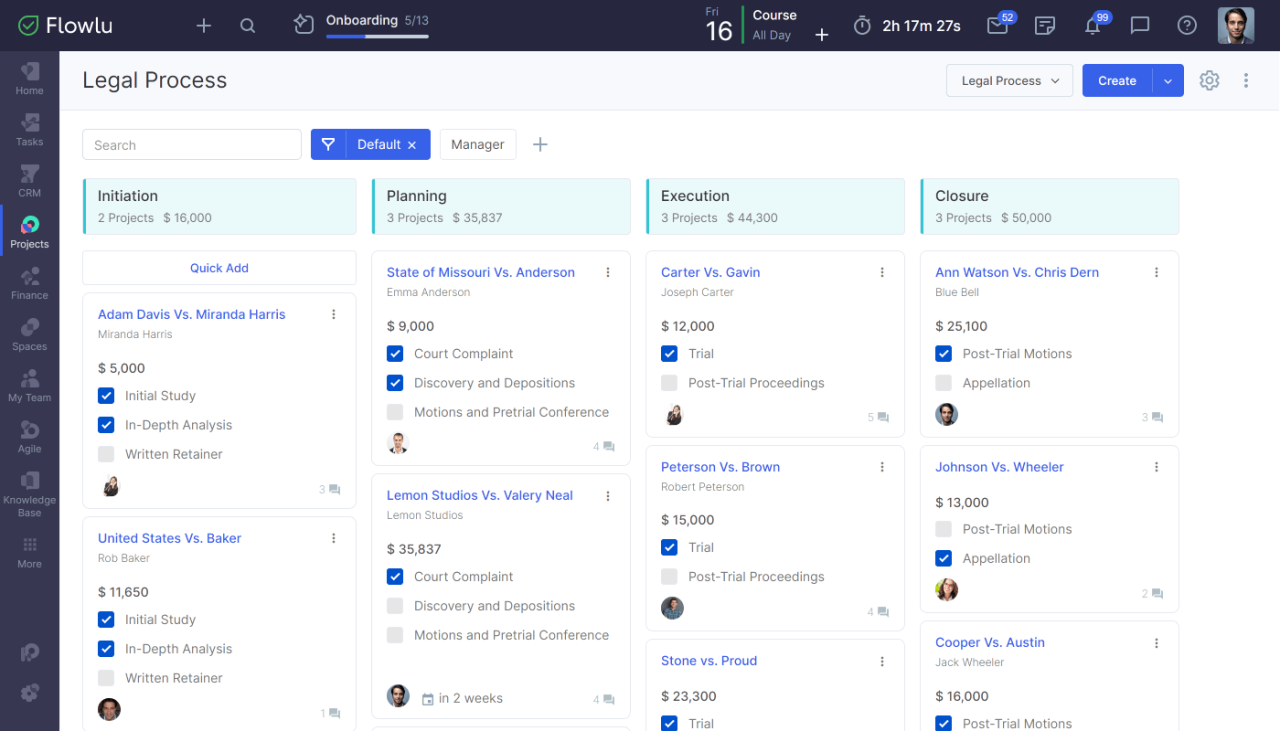
Moreover, project management software enhances productivity by streamlining workflows and automating repetitive tasks. This automation frees up team members to focus on more strategic aspects of the project, leading to increased efficiency and faster turnaround times.
Finally, project management software empowers better decision-making by providing real-time insights into project progress, resource utilization, and potential risks. Data-driven insights enable informed decisions and adjustments to keep projects on track and within budget.
7 Best Project Management Software Options
Choosing the right project management software is crucial for project success. Factors like team size, project complexity, and budget must be considered. This section explores seven reputable options that cater to various needs, helping you make an informed decision.
Asana
Asana is a popular choice, especially for teams needing a user-friendly and versatile project management tool. Its strength lies in its visual task management capabilities, making it excellent for organizing and visualizing tasks and subtasks within a project. Asana’s integration capabilities with other apps are also a major draw, facilitating a streamlined workflow.
Asana’s core features encompass task management, team collaboration, and project tracking. Its user-friendly interface makes it accessible to teams of all sizes and skill levels. Moreover, Asana offers robust integrations with other popular business applications, enabling seamless data flow and improved overall workflow.
Asana excels in its user-friendliness and visual approach to project management. However, its pricing structure might be a barrier for smaller teams with limited budgets. It might also lack the advanced reporting features of some other platforms, which could be a disadvantage for large enterprises requiring extensive data analysis.
Monday.com, Legal software for law firms
Monday.com is a flexible platform that can be customized to fit diverse project management needs. Its visual nature is excellent for visual learners and teams requiring a customizable workspace. It excels at task management and collaboration, but it may require some time to learn how to use all its features.
Monday.com stands out for its robust customization options, allowing teams to create customized workflows and dashboards. Its extensive integrations with other tools and platforms are also a significant plus, facilitating a unified system. This versatility makes it a popular choice for complex projects.
Monday.com’s flexibility is a double-edged sword. While adaptable, it can also be overwhelming for new users. While Monday.com is a powerful tool, its learning curve can be steep, requiring dedicated time for onboarding and customization.
How to Use/How to Buy Project Management Software
Evaluating project management software involves considering factors like team size, project scope, and budget. Start by identifying your team’s specific needs and the features most critical to your workflows. Check current pricing and evaluate different plans to find the best value for your team’s budget.
Consider the platform’s ease of use and whether it integrates well with your existing tools. Trial periods are beneficial for testing the software and ensuring it aligns with your team’s workflow. Pay attention to the level of customer support offered, as well as the community support resources available.
A crucial step is understanding the data migration process. Ensure the software can seamlessly integrate with your existing data and tools. Consider the onboarding process, including training resources and support options, to guarantee a smooth transition. Lastly, define key performance indicators (KPIs) to track the effectiveness of the software in terms of productivity and project success.
Future of Project Management Software
The project management software landscape is constantly evolving, with AI and automation playing increasingly significant roles. Expect more sophisticated tools that leverage AI to automate tasks, predict potential delays, and optimize resource allocation.
Mobile-first approaches will continue to gain traction, providing greater flexibility and accessibility for remote teams. Expect further integration with other business applications, enhancing workflow efficiency and data sharing. Compliance and security features will remain critical, as data privacy and regulatory requirements evolve.
Expect the integration of advanced payment processing options into project management software. This integration will enhance project financial management and streamline the payment process for stakeholders. These developments will continue to shape the future of project management, emphasizing efficiency, flexibility, and security.
Conclusion
Project management software is an indispensable tool for teams seeking to optimize their workflow and achieve project success. Choosing the right platform requires careful consideration of factors such as team size, budget, and specific project requirements. This guide provides a valuable overview of the current market landscape and helps you navigate the process of selecting the best software to meet your needs.
Ultimately, the right project management software will enhance collaboration, improve communication, streamline workflows, and ultimately contribute to the successful delivery of projects. By understanding the features, benefits, and future trends in project management software, you can make an informed decision and enhance your team’s efficiency and overall project outcomes.
Ready to explore project management software options? Visit our resources page for more detailed information and to discover the best software for your specific needs.
FAQs
Q: What are some key features to look for in project management software?
A: Key features include task management, communication tools, progress tracking, resource allocation, and integrations with other business applications. Consider factors like scalability, user-friendliness, and customer support when making your choice.
Q: How much does project management software typically cost?
A: Project management software pricing varies significantly depending on the features, plan, and number of users. Check current pricing on the vendor websites to determine the most suitable option for your needs.
Q: What are the most popular project management software options?
A: Popular options include Asana, Monday.com, Trello, Jira, and Basecamp. Each platform offers unique features and caters to different project management needs.
Q: How can project management software improve my team’s productivity?
A: Project management software streamlines workflows, automates tasks, enhances communication, and provides real-time project insights, ultimately improving team productivity and project outcomes.